
Utility bill validation against your own meters
Most utility invoices are paid without an independent check. Aqueduct compares the consumption each bill charges for with what your own meters recorded for the same period, splits cost changes into usage and rate, and flags mismatches before approval.
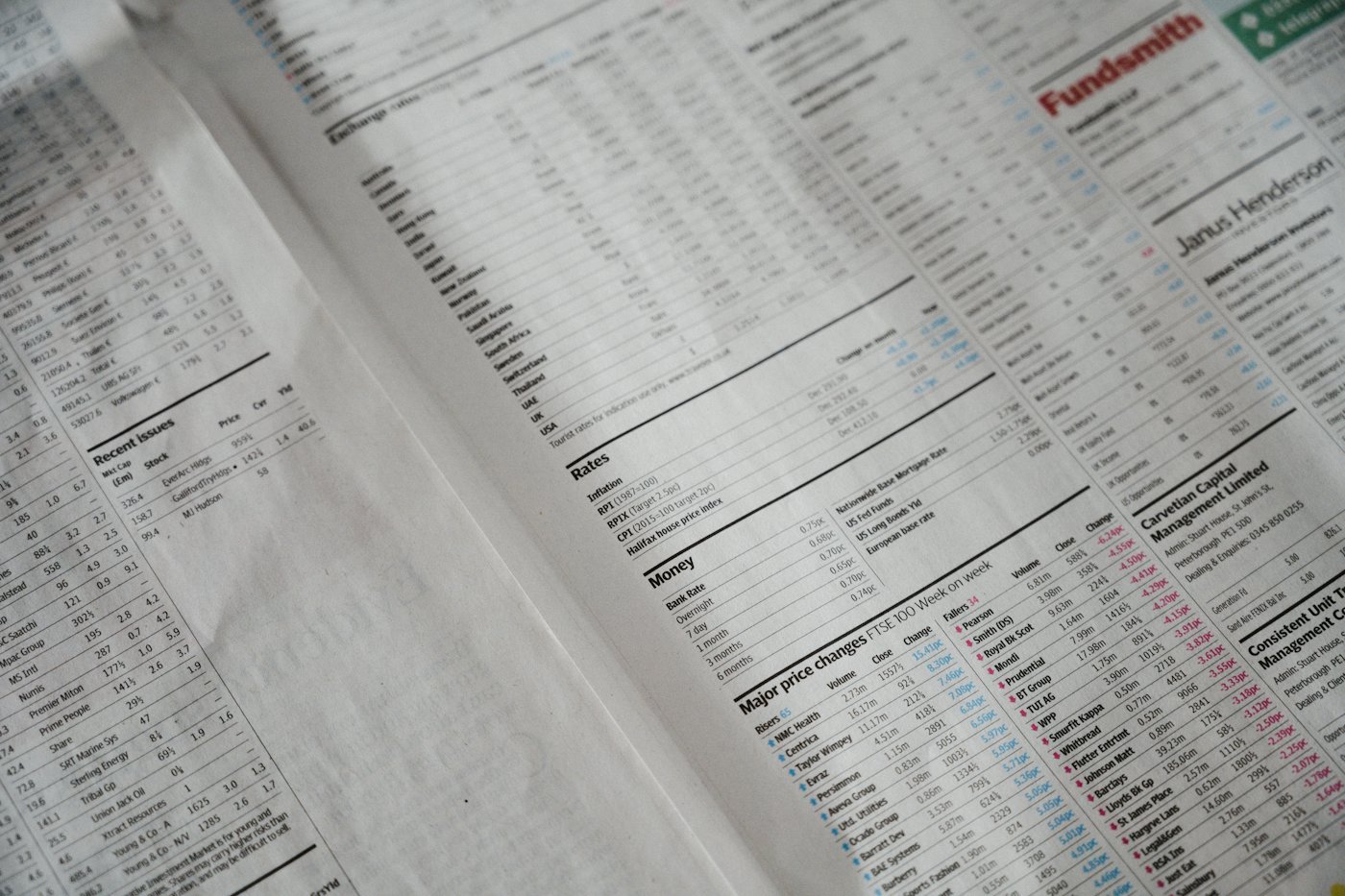
A utility bill deserves the same check as any other invoice.
How billing errors get through
- Estimated reads
A missed read is billed on an estimate and trued up months later, or never.
- System changes
A utility billing migration can drop credits or apply the wrong rate across many accounts at once.
- No reference
Without your own meter data, accounts payable has nothing to compare the invoice with.

What an unchecked bill can cost
overbilled to Rhode Island state agencies on 2024 energy bills, found by a state audit.
Source: Ocean State Media, Rhode Island state audit, 2025electric and gas accounts were covered by that audit, after a billing system change.
Source: Ocean State Media, Rhode Island state audit, 2025rise in US household water and sewer bills in 2025, a five-year high.
Source: Bluefield Research via Water OnlineFrom invoice to approve, hold or query
Load history
Six to twelve months of bills set the rate configuration and a weather-normalized baseline from day one.
Compare each cycle
Billed consumption is matched with metered consumption for the exact billing period.
Explain the change
Each cost movement is split into a usage effect and a rate effect, by site and meter.
Query with evidence
Mismatches go to accounts payable with the meter, the period and the difference attached.
Checks that run every cycle
| Metric | What it tells you | Act when |
|---|---|---|
| Billed against metered use | Over or under billing | The gap exceeds your tolerance. |
| Usage effect against rate effect | Why spend moved | A rate change was not expected. |
| Estimated reads in a row | True-up risk building | Two estimates in a row. |
| Meter connectivity | Whether the comparison can be trusted | Coverage for the period is low. |
sites in 21 countries run on Aqueduct.
and 9 clinics in one of India’s top hospital chains.
US airport running water intelligence on Aqueduct.
of commercial real estate under Aqueduct.
FMCG manufacturing campus.
operations run on Aqueduct.





Related
Common questions
Electricity, water and gas, wherever you have a meter that records the same supply the utility bills. A pulse counter can bring an existing utility meter online for the comparison. See pulse counters.
Aqueduct flags the gap instead of using it. Connectivity per meter sits beside each comparison, so a period with missing readings never becomes evidence in a dispute with the supplier. See asset observability.
No. Validation checks what a supplier charges you. Tenant billing recovers cost from occupants, and both run in Billing Management on the same meters, so one installation serves both jobs. See tenant submetering and billing.
Estimated reads that are never trued up, wrong rates after a utility system change, and charges for consumption your meters did not record. Each mismatch is flagged before approval. See for CFOs and finance teams.
See Aqueduct on your own facility.
Bring a site, a utility bill or a question. We will show you where the loss is.