
Facility use cases: one problem per page, with the numbers
Each use case covers one problem: how it happens, what it costs by published figures, how it is solved and which metrics show it is solved.
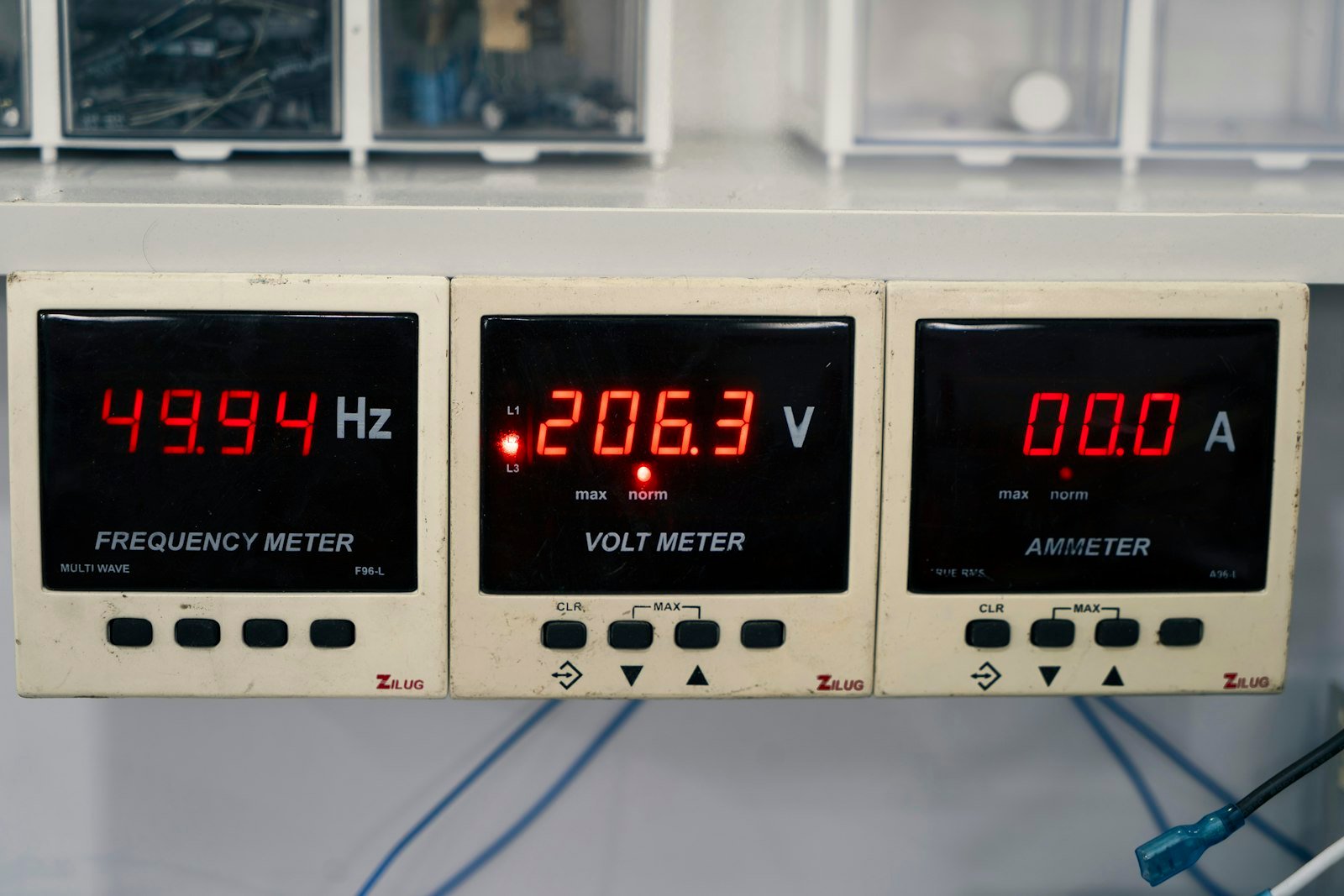
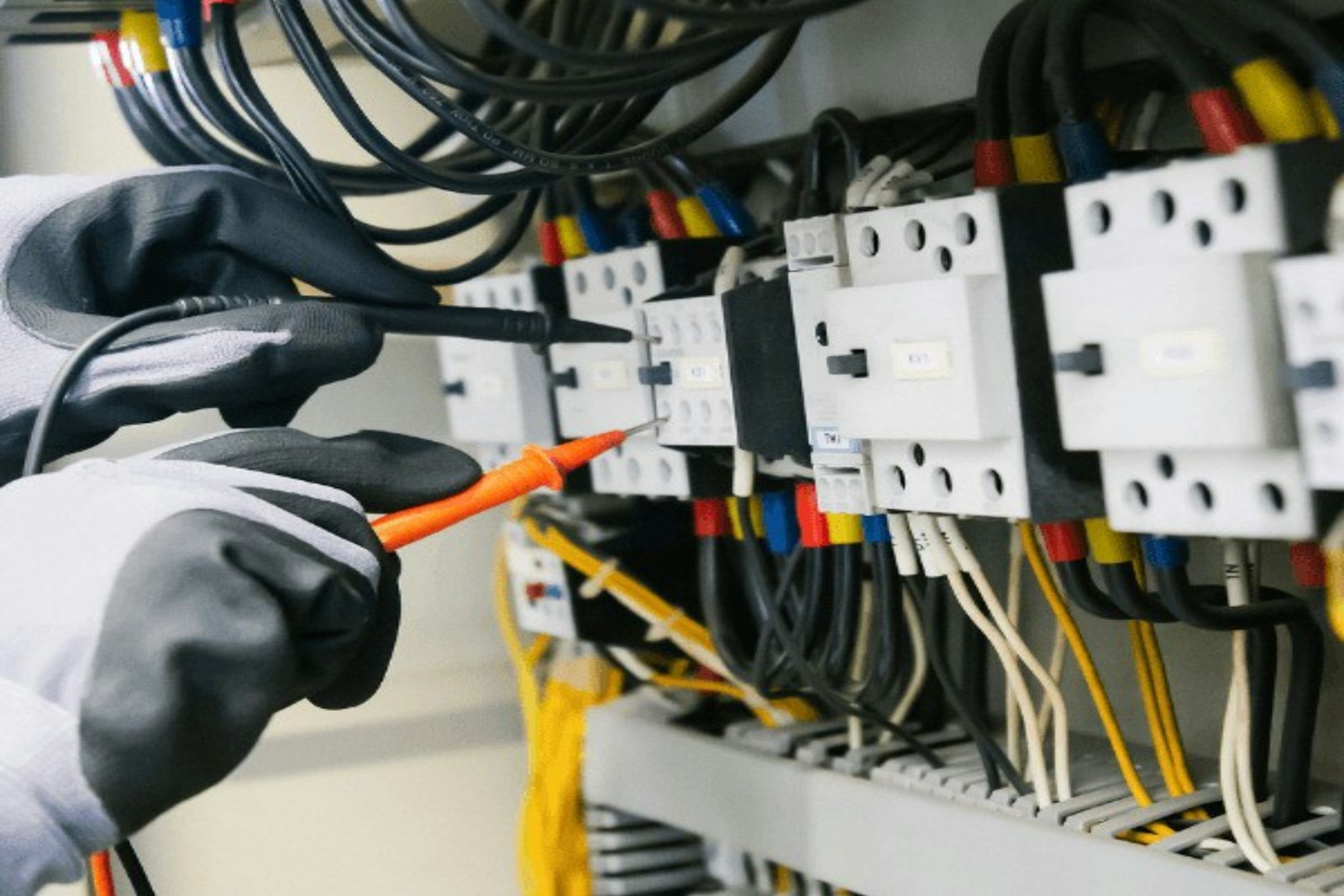
Pick the problem that costs you most today.
Mechanism, numbers, fix, measures
- The mechanism
Why the problem happens and why it goes unnoticed.
- The numbers
Linked public figures on the size of the loss.
- The measures
What to track to know it is solved.

How to reduce water loss in buildings and campuses
Most building water loss is silent: a running toilet, a stuck cooling tower fill valve, irrigation on a broken schedule.
Read more
HVAC energy optimization, from fault finding to occupancy-based control
HVAC wastes energy in three ways: faults nobody has noticed, schedules that ignore who is in the building, and setpoints that never move.
Read more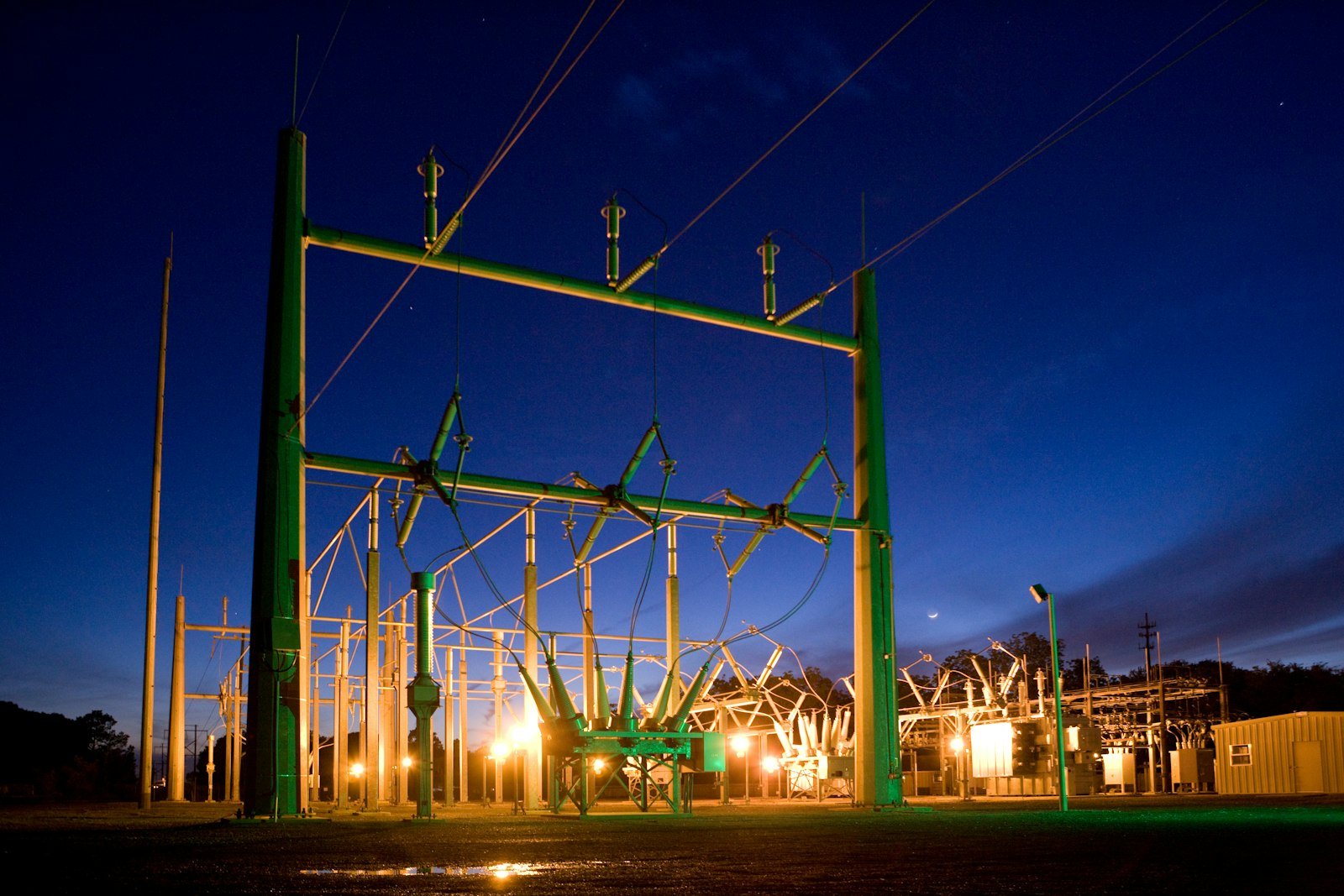
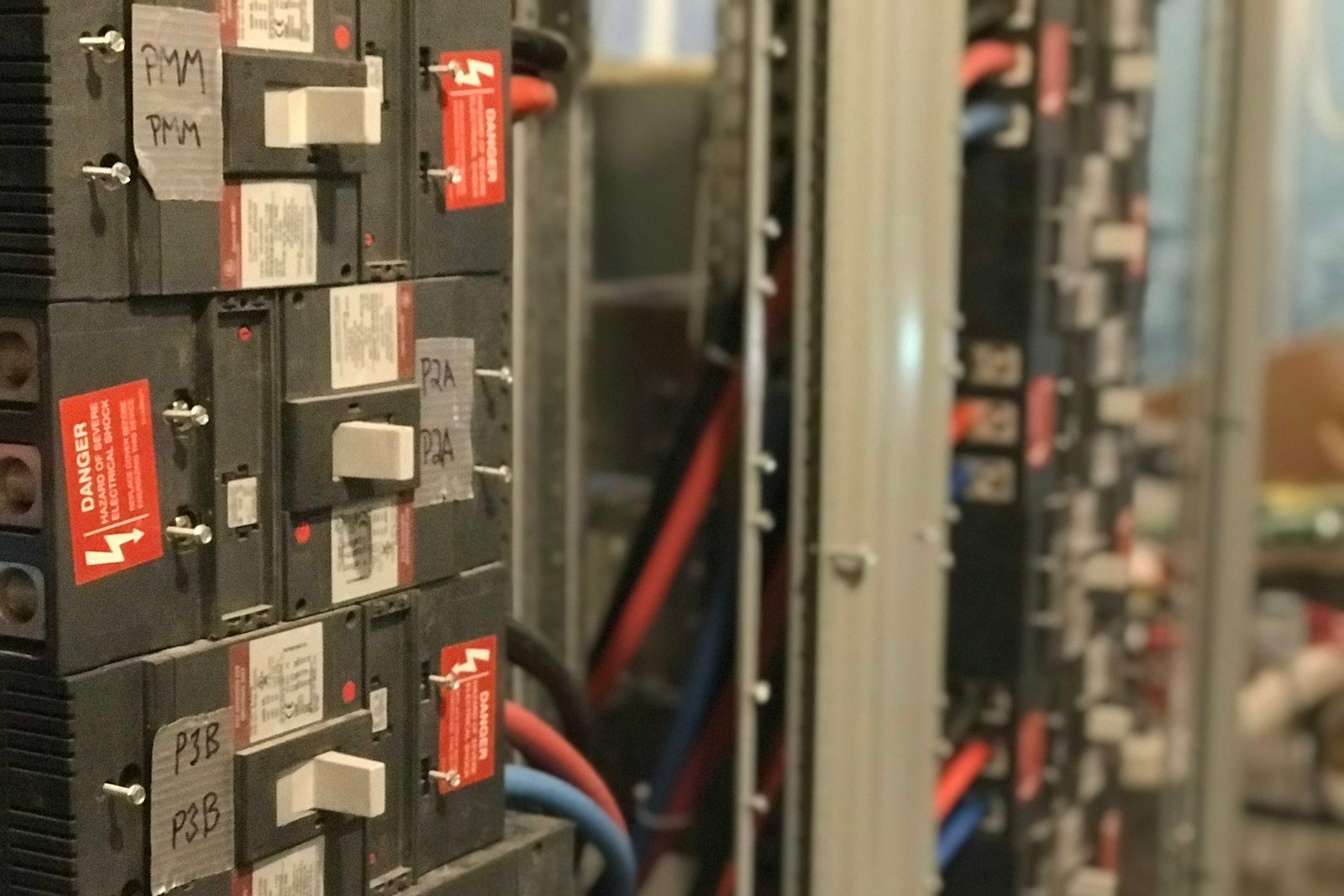
How to reduce peak demand charges and power factor penalties
A demand charge is set by the highest interval of the billing period, often a few minutes when chillers, kitchens and process loads start together.
Read more
Utility bill validation against your own meters
Most utility invoices are paid without an independent check. Aqueduct compares the consumption each bill charges for with what your own meters.
Read more
Indoor air quality compliance: the evidence each rule asks for
Air quality rules increasingly ask for continuous measurement, not a one-off survey.
Read more
Smart restroom monitoring for running toilets and cleaning on demand
Restrooms are among the largest water users in a commercial building, and a running fixture can waste thousands of gallons before anyone reports it.
Read more
Tenant submetering and billing from the meter, not the floor plan
Allocating utilities by floor area charges light users for heavy ones and leaves recoverable cost on the landlord's books.
Read more
Reduce equipment downtime by catching failures before they stop the plant
Most facilities still run maintenance on breakdowns and calendars. Aqueduct watches energy, vibration, sound and runtime on critical equipment.
Read more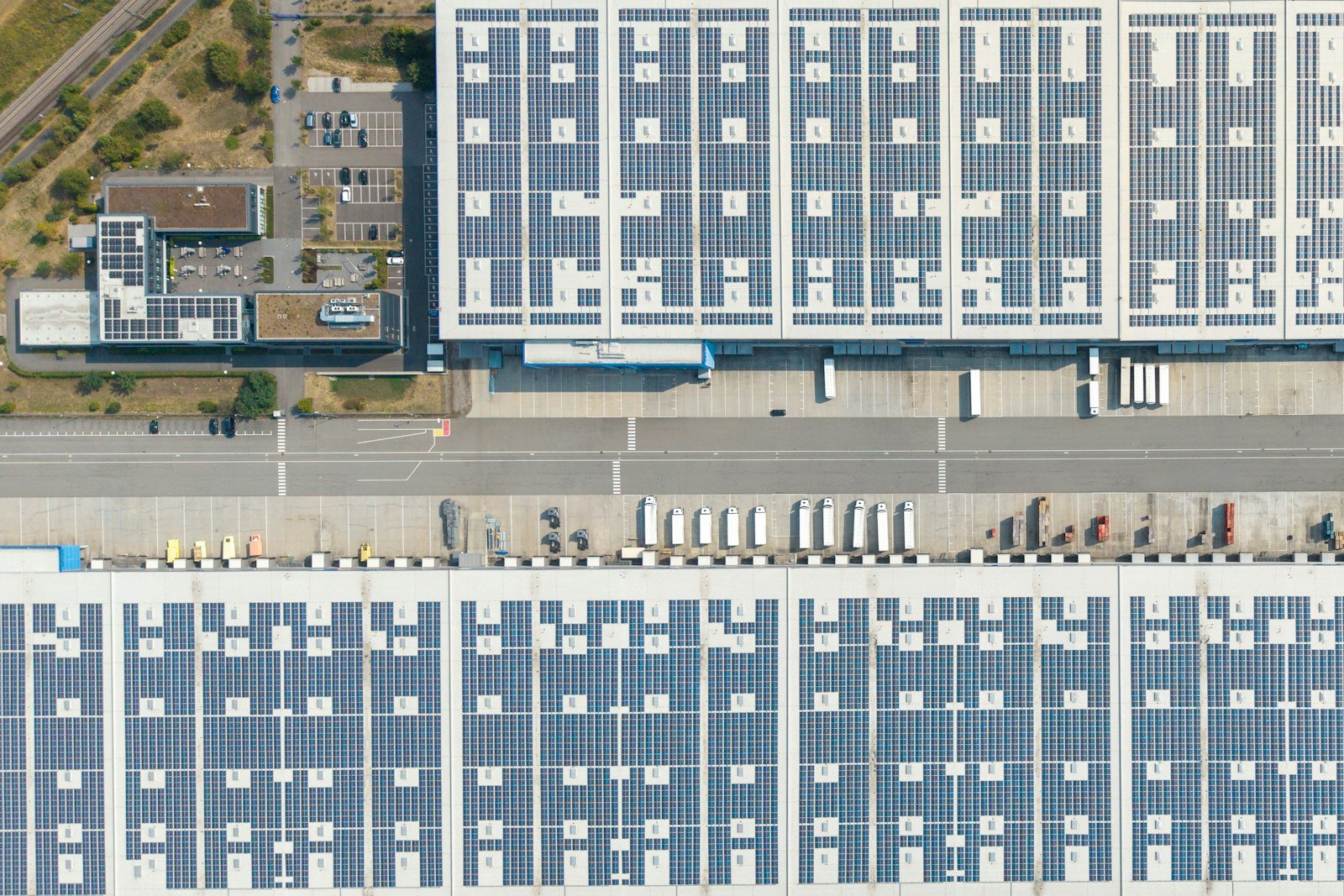
ESG data for building sustainability reporting, from meters instead of invoices
Disclosure frameworks now ask for water and energy detail that invoices cannot supply: consumption in water-stressed areas, reuse, discharge.
Read more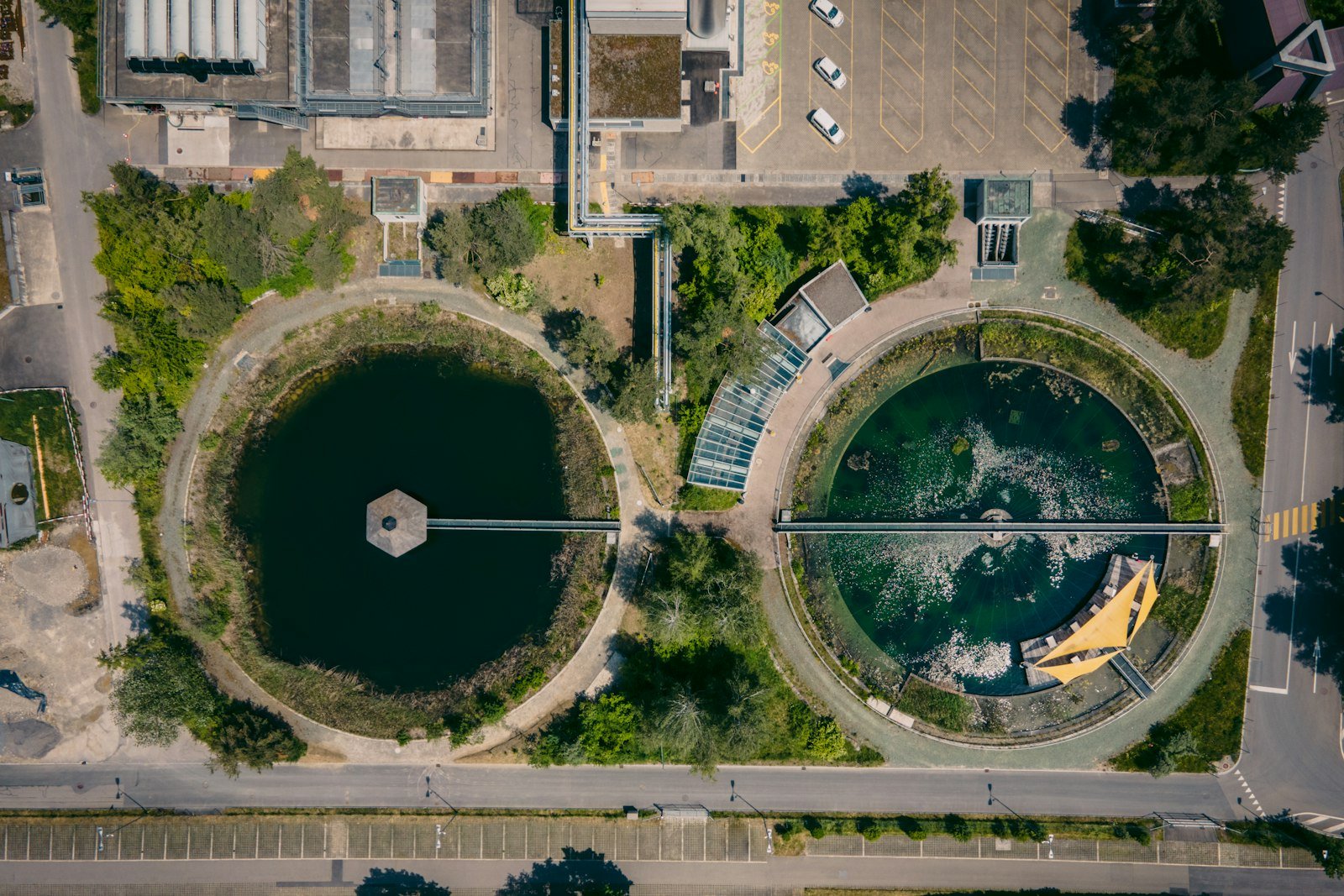
STP and RO plant monitoring for measured water reuse
On-site sewage treatment and reverse osmosis plants are often run to a log sheet, so efficiency drifts and reuse is assumed rather than measured.
Read more
Building portfolio benchmarking that tells you which site to fix first
Ranking buildings by total use rewards small sites and punishes busy ones. Aqueduct ranks every site on intensity per square foot or per visitor.
Read moresites in 21 countries run on Aqueduct.
and 9 clinics in one of India’s top hospital chains.
US airport running water intelligence on Aqueduct.
of commercial real estate under Aqueduct.
FMCG manufacturing campus.
operations run on Aqueduct.





Related
Common questions
Yes. Use cases share the same site data in aQ Core, so a second one adds meters and rules rather than a new system. Water loss and bill validation often run together from the same meters. See aQ Core.
On the HVAC energy optimization page, alongside fault finding and weather-normalized baselining. Occupancy can come from sensors or schedules and then triggers automation rules that switch units between occupied and unoccupied modes. See HVAC energy optimization.
It depends on where the site loses most, which the bills usually show. Bill validation and water loss need little new hardware; demand charges need interval data from the main meter. See peak demand and tariffs.
See Aqueduct on your own facility.
Bring a site, a utility bill or a question. We will show you where the loss is.