
BACnet controllers, relay switches and valves for equipment control
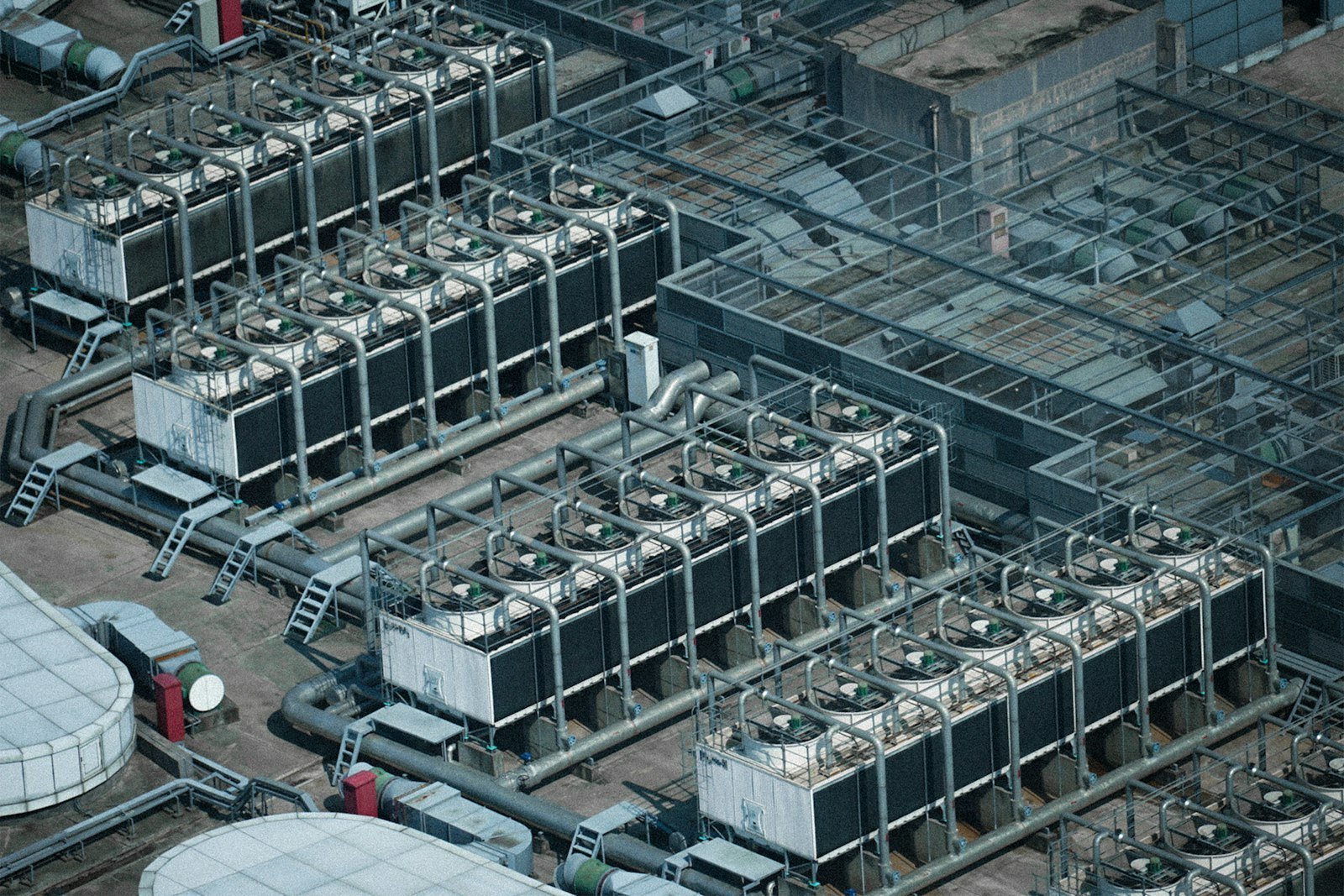
Aqueduct acts on equipment two ways: LoRaWAN relay switches and valves for simple loads, and a field device network controller that speaks BACnet or Modbus to AHUs, RTUs, chillers and VAV boxes.

Act on equipment safely, and keep a record of every command.
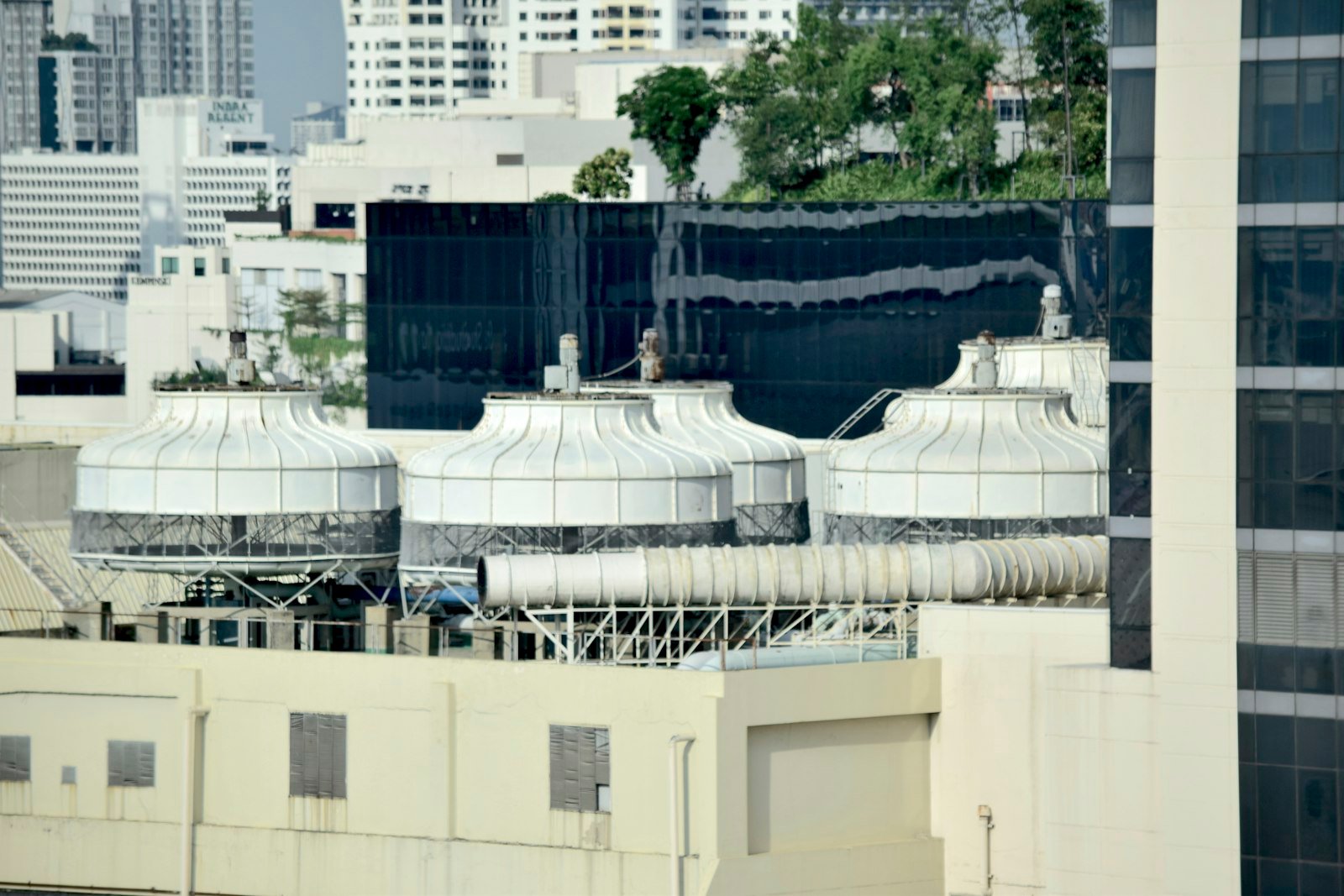
Where each control device sits
- Relay switches
On exhaust fans, lighting circuits and other on or off loads.
- Water valves
On supplies that should close when a leak is confirmed.
- Network controller
Mounted on the BMS network beside the plant it reaches.
What control lets a team do
- Run to occupancy
Schedules or occupancy sensors set when units run.
- Group equipment
A control cluster lets nearby sensors shape how an RTU behaves.
- Prove execution
Command history records whether each command actually ran.
Devices, points and protocols
| Device | Reads | Drives | Protocol |
|---|---|---|---|
| HVAC controller | Temperatures, humidity, airflow, pressures, CO2, fan and safety status. | Drives, stages, valves and dampers. | BACnet or Modbus downstream, MQTT or LoRaWAN upstream. |
| Relay switch | On or off state. | Fans and other simple loads. | LoRaWAN. |
| Water valve | Valve position. | Open, closed or partly open. | LoRaWAN. |
How a command stays safe
Owner approval
Control is switched on per site and device where control is enabled, with owner approval. Everything else stays read only.
Lockout
A new command waits while the last is still executing, which prevents short cycling.
History
The device reports its state back and the result is logged for audit.
What better control is worth
Potential cut in US commercial building energy from well-tuned controls, in simulation.
Source: US DOE and PNNLShare of air handling units showing a reported fault on any given day.
Source: Lawrence Berkeley National LaboratoryDevice agnostic, with leading manufacturers.
Exact make and model are selected per site. These are some of the manufacturers and standards Aqueduct works with.






sites in 21 countries run on Aqueduct.
and 9 clinics in one of India’s top hospital chains.
US airport running water intelligence on Aqueduct.
of commercial real estate under Aqueduct.
FMCG manufacturing campus.
operations run on Aqueduct.





Related
Common questions
Yes. The field device network controller reads and writes points on existing controllers over BACnet or Modbus, so the BMS can stay in place. Writes happen only on equipment the owner has approved. See keeping your BMS.
Anything that only needs switching, for example an extract fan or a lighting circuit. Equipment with several components, such as an air handler or chiller, is controlled through the network controller instead. See AI optimization.
Smart Controls writes a log entry per instruction: the target device, the time, the value sent and the execution result. Commands held back by a lockout are recorded too, which gives M&V reviewers proof that a measure ran. See measurement and verification.
Yes, with a connected motorized valve on the supply. Once the owner has approved control for that valve, Aqueduct can close it when a leak or burst is confirmed and log the command. See burst detection.
See Aqueduct on your own facility.
Bring a site, a utility bill or a question. We will show you where the loss is.