
Burst detection that flags a sudden jump in flow on the line where it happens.
A burst looks different from a leak: flow on one line rises sharply above what that line normally draws at that hour. Aqueduct checks each line's rate of change on 60-second telemetry and alerts with the line, the size of the jump and the volume lost so far.
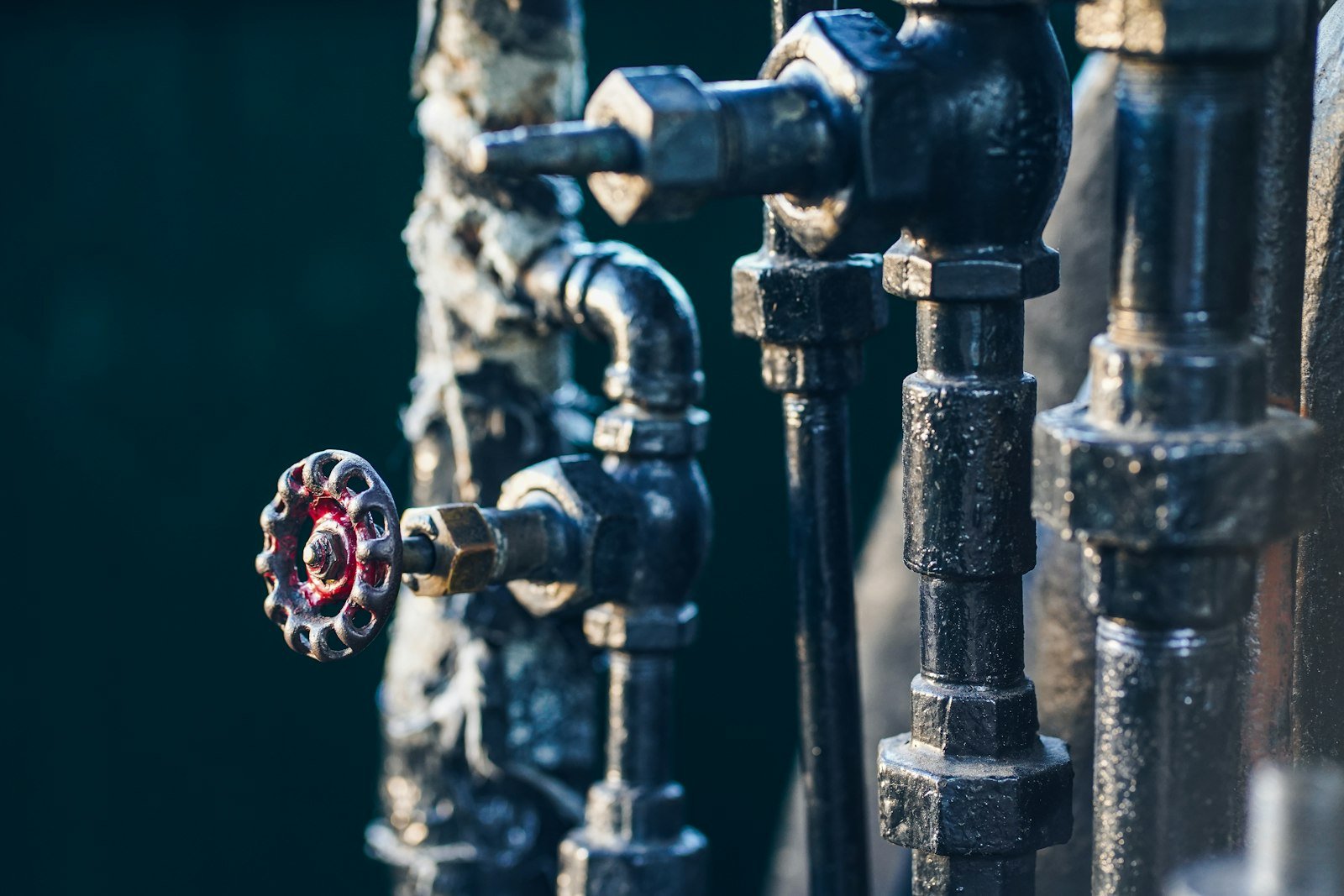
A leak drifts. A burst jumps.
Rate of change against each line's own profile
- An hourly profile per line
Each line has an expected flow for that hour and type of day, learned from its own history.
- A jump threshold
Flow far above the profile, or rising faster than the line ever does in normal use, raises a burst alert.
- Pressure where fitted
Where pressure sensors are installed, falling pressure alongside rising flow strengthens the signal.
What the alert carries
- The line and the start time
Taken from the first reading that broke the profile.
- Volume so far
Gallons lost since the start, updated each cycle until flow returns to normal.
- Who to call
Alerts route by site and line to the team on duty, and a work order can open in your CMMS.
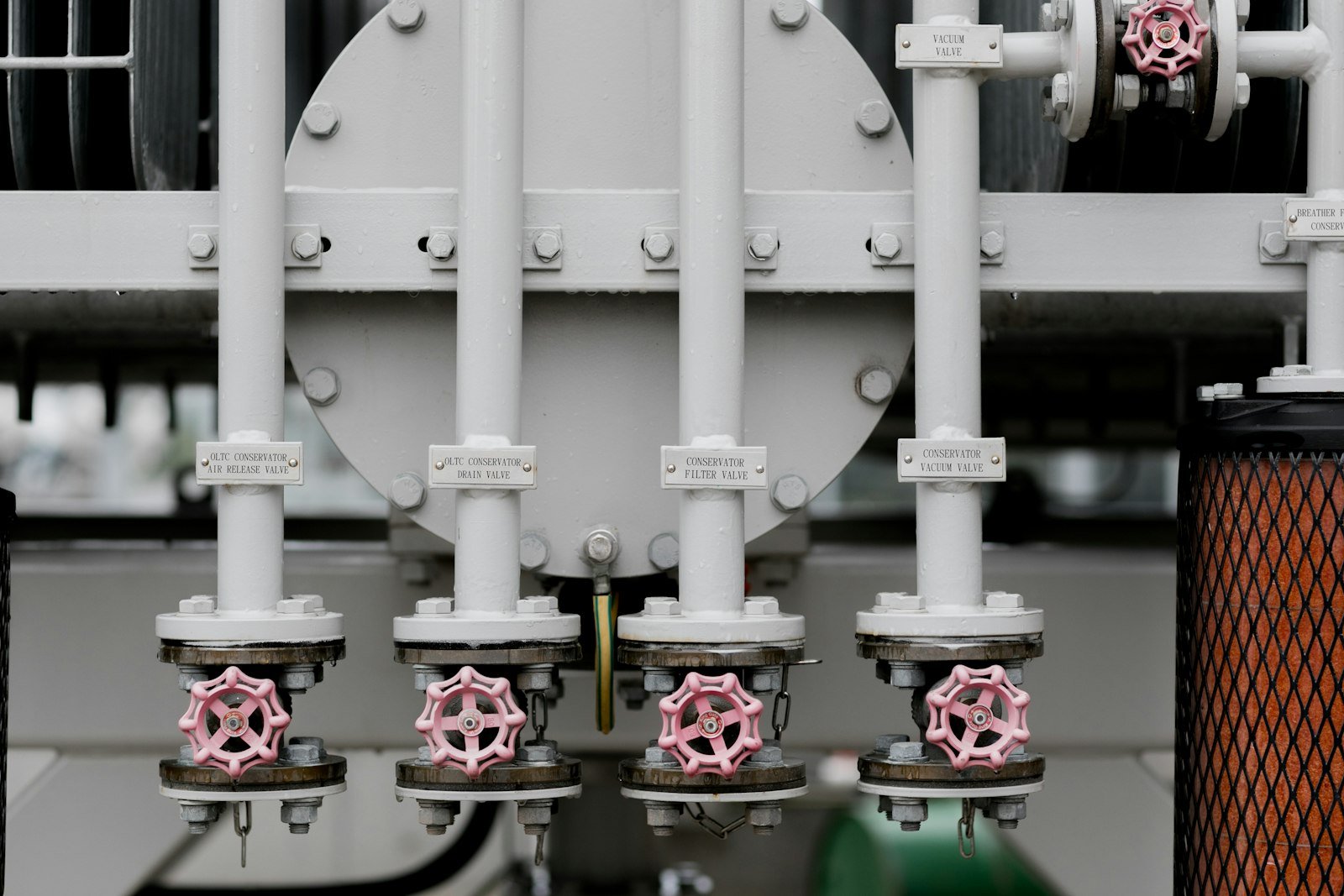
What sudden loss costs.
a day from one hose left running at 10 gpm overnight, about $16,000 a year in EPA's leak table.
Source: EPA WaterSense at Work 2.3a month from a toilet leaking at 0.5 gpm, the slower kind of loss that leak detection handles.
Source: EPA WaterSense at Work 2.3An example
Illustrative: a cooling tower makeup line normally draws 4 to 6 gpm in the afternoon. At 14:10 it reads 38 gpm and is still climbing. The alert names the makeup line, the start time and the gallons lost so far, and the engineer on call finds a failed float valve.
Limits
Burst detection needs a meter on the line that bursts. A break upstream of every sub-meter shows only as a jump in main supply.
Planned high flows, such as tank fills or fire system tests, need a schedule or a tag so they are not flagged. Stopping flow automatically needs a controllable valve.
Related
Common questions
Leak detection watches the unaccounted term of the water balance for steady or growing loss. Burst detection watches each line for a sudden jump above that line's normal flow for the hour, so a pipe failure is flagged within minutes. See leak detection.
Not if the test is scheduled. Planned events such as fire pump tests, tank fills and flushing can be tagged in aQ WaterGuard and excluded, so the alert list holds only unplanned jumps. Unscheduled draws still alert. See the water digital twin.
Yes, through a connected motorized valve where control is enabled, with owner approval. The command is logged with whether it executed, and the alert already carries the line, start time and volume lost so the crew knows where to go. See controllers and actuators.
No. Burst detection runs on flow from 60-second meter telemetry alone. Where pressure sensors are fitted, a pressure drop alongside the flow jump makes the alert more certain and helps tell a burst from a large planned draw. See water meters.
See Aqueduct on your own facility.
Bring a site, a utility bill or a question. We will show you where the loss is.