England requires a way to monitor IAQ
Approved Document F asks new non-domestic buildings to provide a means of monitoring indoor air, such as NDIR CO2 monitors, in offices and rooms where people gather.
UK Approved Document F, Vol. 2 Book a demo
CO2, VOC, carbon monoxide, temperature and humidity per zone, read against who is actually in the room, so ventilation follows people instead of a timetable.

of their time Americans spend indoors, where some pollutants run 2 to 5 times higher than outdoors.
US EPA, Report on the Environmenthigher cognitive scores in green building conditions than conventional ones; each 400 ppm of extra CO2 cut scores by 21%.
Allen et al., Harvard COGfx, 2016of short-term sick leave was attributable to lower ventilation in a 40-building, 3,720-employee study.
Milton et al., Indoor Air, 2000A CO2 spike in an empty room is noise; the same spike in a full meeting room is a problem. AirSafe puts both readings on one timeline, tracks exposure in zone hours and explains each rating against the standard behind it.
Air quality and occupancy on one timeline show when an event happens, in which zone, and whether anyone was there. Filter by site type, region and zone.
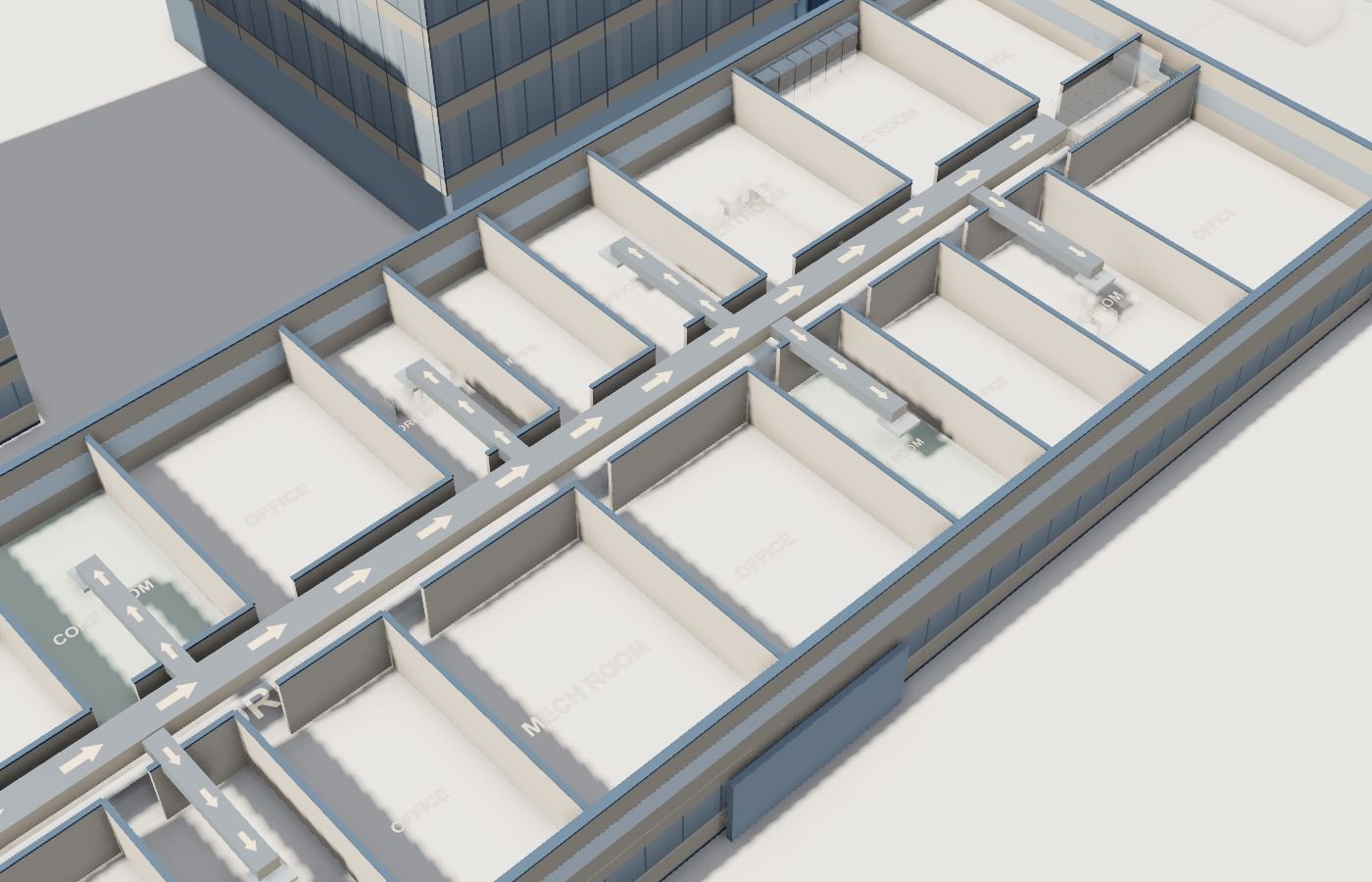
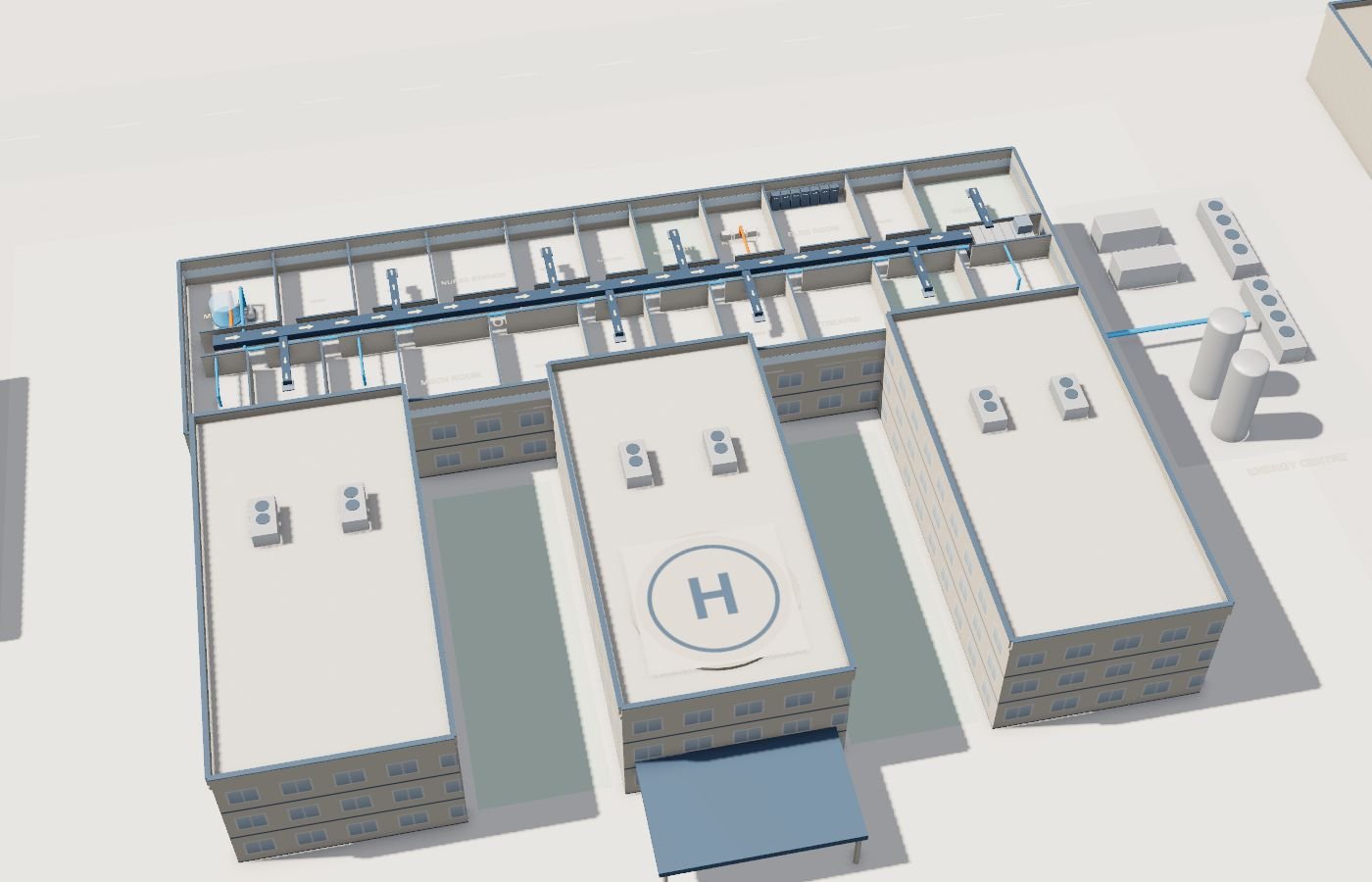
Each site gets a plain language rating with a "why this rating" explainer. When outdoor air is mild, Aqueduct says so, because more fresh air is cheap right then.
A spot measurement once a year, or after a complaint
Every zone measured continuously and rated against its standard
Ventilation on a fixed schedule, full rooms and empty rooms alike
Fresh air matched to occupancy, with advice when outdoor air is cheap to use
Occupancy guessed from a booking system
Occupancy read from motion sensors in each zone, next to that zone's CO2
IAQ evidence assembled by hand for WELL or a regulator
Zone hours of exposure and ratings ready to export
Approved Document F asks new non-domestic buildings to provide a means of monitoring indoor air, such as NDIR CO2 monitors, in offices and rooms where people gather.
UK Approved Document F, Vol. 2ASHRAE Standard 241 sets equivalent clean airflow per occupant from ventilation, filtration and air cleaning, with a switchable infection risk management mode.
ASHRAE, Standard 241From 1 January 2023, creches and schools need an annual ventilation assessment that includes a direct-reading CO2 measurement.
French decree 2022-1689, via INERISIn a PNNL model of a large office, ventilation matched to occupancy cut HVAC energy by nearly 40% while meeting code minimums.
PNNL via ScienceDaily, 2013 (modeled)Raise clean airflow in the zones that need it during flu season, and log that you did, in the way ASHRAE 241 describes.
Track CO2 exposure in zone hours, so a long stretch at a moderate level counts, not only the highest reading of the day.
Show the CO2 and temperature in that room at that hour, with the occupancy behind it.
Air quality results depend on the site. We publish verified numbers as live sites report them.
per zone, overlaid with occupancy.
so sustained exposure is caught, not just peaks.
aQ AirSafe uses wireless room sensors for CO2, VOC index, carbon monoxide, temperature and humidity. Pressure, light, motion and sound are added where a site needs them. Each zone is the area one sensor covers, so sensor count follows room layout, not floor area alone. See air quality sensors.
aQ AirSafe advises by default and changes ventilation only where control is enabled, with owner approval. It then sets ventilation targets from CO2 through the BMS or Smart Controls, raising outdoor air in full rooms and trimming it in empty ones. See demand-controlled ventilation.
Each site picks its standard, and aQ AirSafe applies those thresholds zone by zone. Options include ASHRAE 62.1, ASHRAE 241, WELL, England's Approved Document F or France's school CO2 rule. The rating names the threshold it used, so a facilities team can show an auditor why a zone failed. See ASHRAE 62.1.
Not by design. aQ AirSafe ventilates occupied rooms more and empty rooms less, and PNNL modeling found occupancy-matched ventilation can cut HVAC energy substantially in a large office. The net effect is measured against a weather-normalized baseline. See CO2 monitoring.
Because duration matters as much as the peak. aQ AirSafe counts how many hours each zone spends above its threshold while occupied, so a ten minute spike and an afternoon at the same level are not treated alike. Zone hours also rank which rooms to fix first. See IAQ monitoring.
Bring a site, a utility bill or a question. We will show you where the loss is.