
Indoor air quality monitoring that rates each zone and says what to do next.
Aqueduct reads CO2, VOC index, temperature, humidity and carbon monoxide per zone, plus particulates where fitted, overlays occupancy, and turns the readings into a rating with the guideline behind it and a costed action.
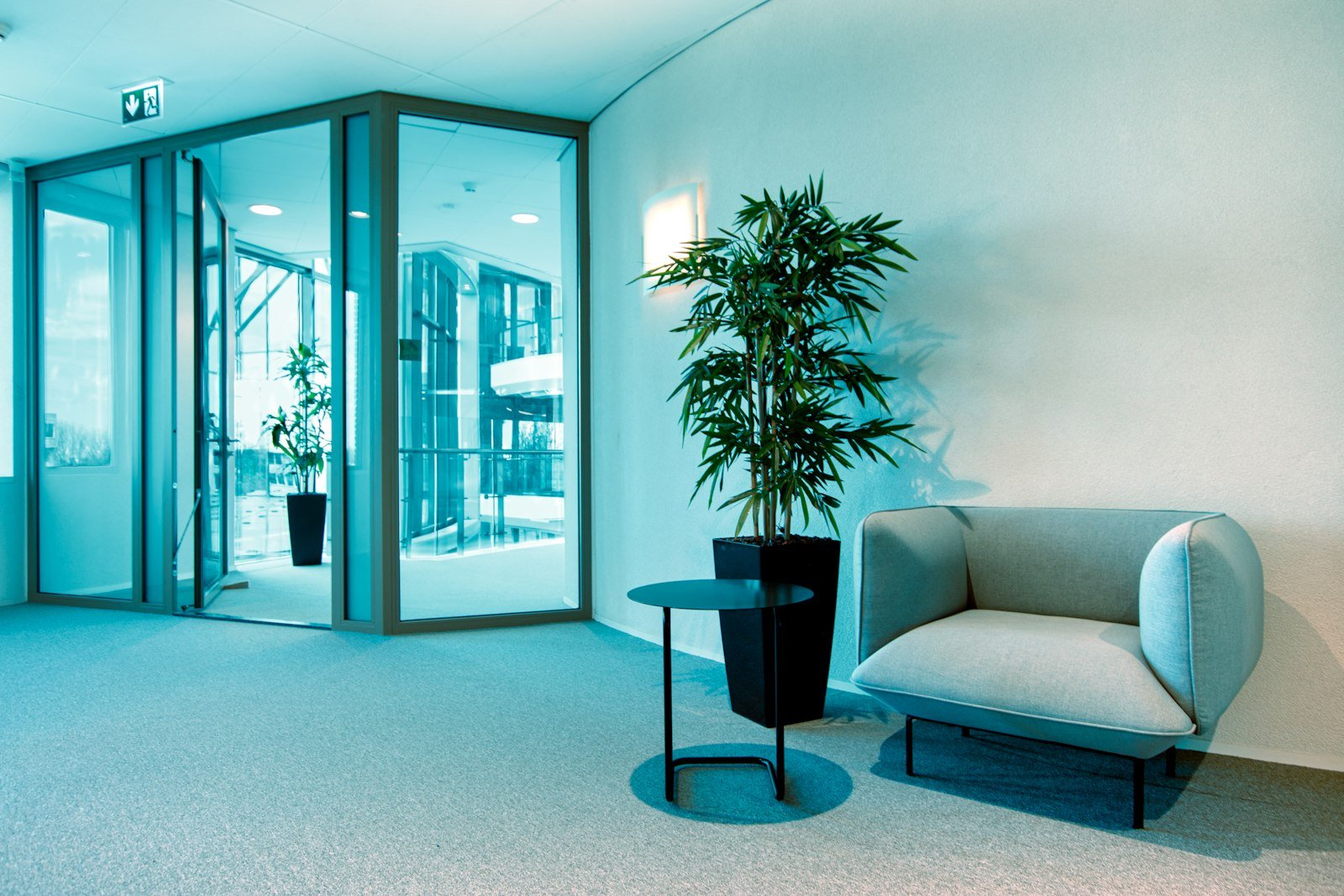
A rating per zone, the rule it rests on, and the cheapest fix.
How a zone is rated
- Zones sized to the sensor
A zone is the area one sensor speaks for, drawn on the floor plan.
- Occupancy overlay
A high reading in an empty room is logged; the same reading during an occupied hour drives the rating.
- Duration as well as level
Exposure is counted in zone-hours, because a level held for an hour matters more than a brief spike.

A finding you can act on
- The guideline cited
For example: over 2,000 ppm for 20+ minutes within an occupied hour, referenced to BB101:2018.
- A costed action
Raise outdoor air or check the economizer, with a note when mild outdoor air makes that cheap.
- Why this rating
Each rating opens to the readings and zones behind it.
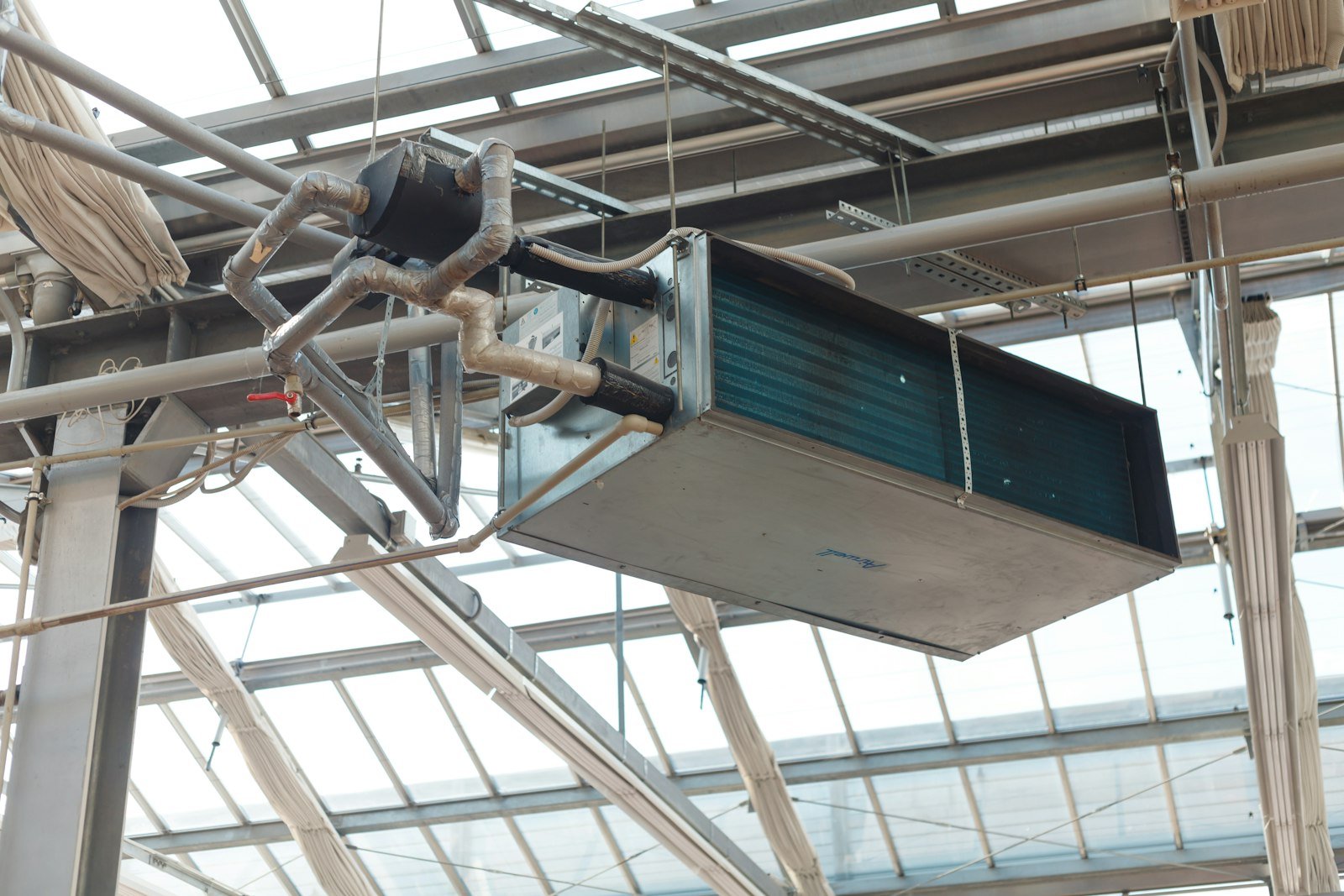
Why indoor air needs its own measurement.
of Americans' time is spent indoors, where some pollutants run 2 to 5 times higher than outside.
Source: US EPArelative risk of short-term sick leave in offices with lower ventilation rates.
Source: Milton et al., 2000An example
Observed in the field: CO2 in a granite warehouse stayed high through working hours. Timing and the occupancy overlay traced it to trucks left idling at the back of the building, and vents were then switched on air quality readings.
Limits
Air quality is hard to predict. A truck parked by an intake cannot be forecast, though patterns such as a cafeteria at lunch can. A zone is only as representative as its sensor placement.
Aqueduct supplies measurements and alerts. It does not certify a building against WELL, RESET or any other standard.
Related
Common questions
aQ AirSafe thresholds are set per site to follow the guideline your organization uses. Common choices are ASHRAE 62.1, WELL, RESET Air or BB101:2018 in UK schools. Each rating names the rule it used. See ASHRAE 62.1.
aQ AirSafe alerts are configured per air quality event type, by zone and site. A CO2 alert can go to facilities while a carbon monoxide alert goes to safety, so each team sees only what it acts on. See CO2 monitoring.
Yes, where control is enabled, with owner approval, through air handler or fan controls. Otherwise aQ AirSafe recommends the action, such as raising outdoor air when the weather makes it cheap. See AI optimization.
aQ AirSafe supplies continuous zone readings for CO2, VOCs, temperature, humidity and particulates that WELL air features ask projects to monitor. Your team pursues the certification itself, and the record supports both the application and later recertification. See WELL.
See Aqueduct on your own facility.
Bring a site, a utility bill or a question. We will show you where the loss is.