
Non-revenue water analysis by district metered area, not by annual audit.
Non-revenue water is water a utility treats and pumps but never bills. Aqueduct keeps a running balance per district metered area from inflow meters, customer meters and night flow, so loss points to a district and a date instead of a yearly percentage.
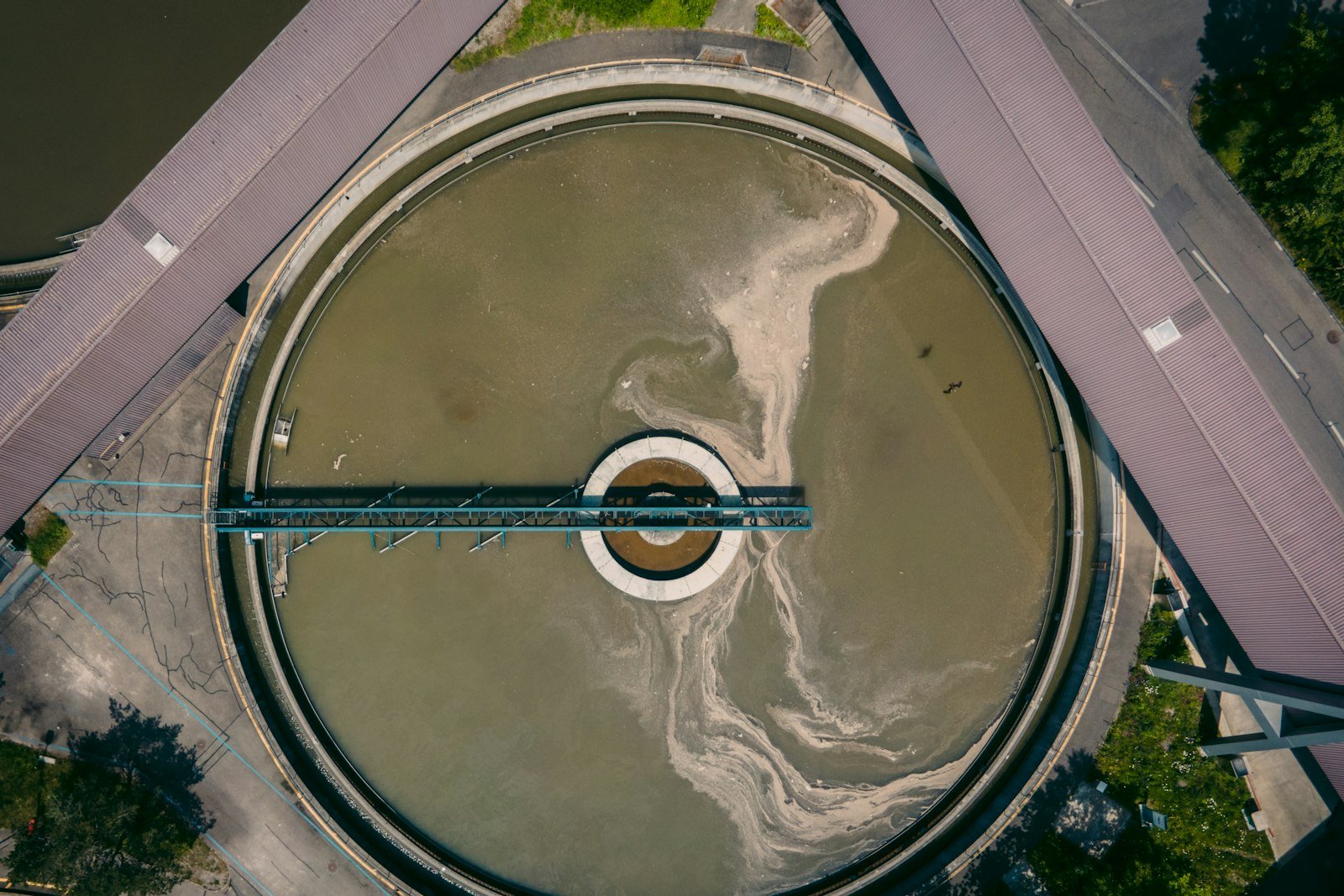
Inflow minus billed use, per district, every day.
A balance per district metered area
- District inflow
Meters at each district inlet, read alongside SCADA and historians.
- Customer consumption
AMI reads summed per district for the same period, so inflow and billed use are compared like for like.
- Minimum night flow
The lowest flow in the early morning, when legitimate use is smallest, tracked for every district.
Where the loss sits
- Real versus apparent loss
Rising night flow points to physical leakage; a gap that tracks billed use points to meter error or unbilled use.
- Districts ranked
Districts ordered by loss volume, so crews step test where it will pay back first.
- Pumping energy
Loss priced in water and in the energy spent pumping it.
Why lost treated water costs more each year.
countries, home to a quarter of the world's people, face extremely high water stress.
Source: WRI Aqueduct 4.0rise in US household water and sewer bills in 2025, a five-year high, as utility costs climb.
Source: Bluefield Research via Water OnlineAn example
Illustrative: District 7's minimum night flow rises from 22 to 31 cubic meters an hour over two weeks while billed consumption stays flat. The rise is classed as real loss, District 7 moves to the top of the list, and a step test narrows it to one main.
Limits
Aqueduct reads SCADA and does not replace it. Results depend on closed district boundaries: an open valve between districts mixes their balances.
Apparent loss can be flagged by district but not assigned to a single customer meter without testing.
Related
Common questions
No. Aqueduct supplies continuous inputs such as district inflow, billed consumption and minimum night flow, which make the annual audit faster to compile and easier to defend. Your team still prepares and files it. See AWWA M36 water audits.
No. Pumps and valves stay under SCADA control. Aqueduct reads SCADA, historians and AMI, ranks districts by loss and routes survey work to crews, so leak detection teams go to the worst district first. See integrations.
Aqueduct looks at when the gap appears. Rising minimum night flow, when legitimate use is lowest, points to physical leakage. A gap that tracks billed use through the day points to meter under-registration, billing errors or unauthorized use. See district metered areas.
Aqueduct needs inflow meters at each district metered area inlet and customer consumption from AMI or billing for the same period. SCADA and historian data add pressure and pump status where available. See the non-revenue water glossary entry.
See Aqueduct on your own facility.
Bring a site, a utility bill or a question. We will show you where the loss is.