Best EHS monitoring software for distilleries
 Milvian AI teamFacilities and infrastructure intelligence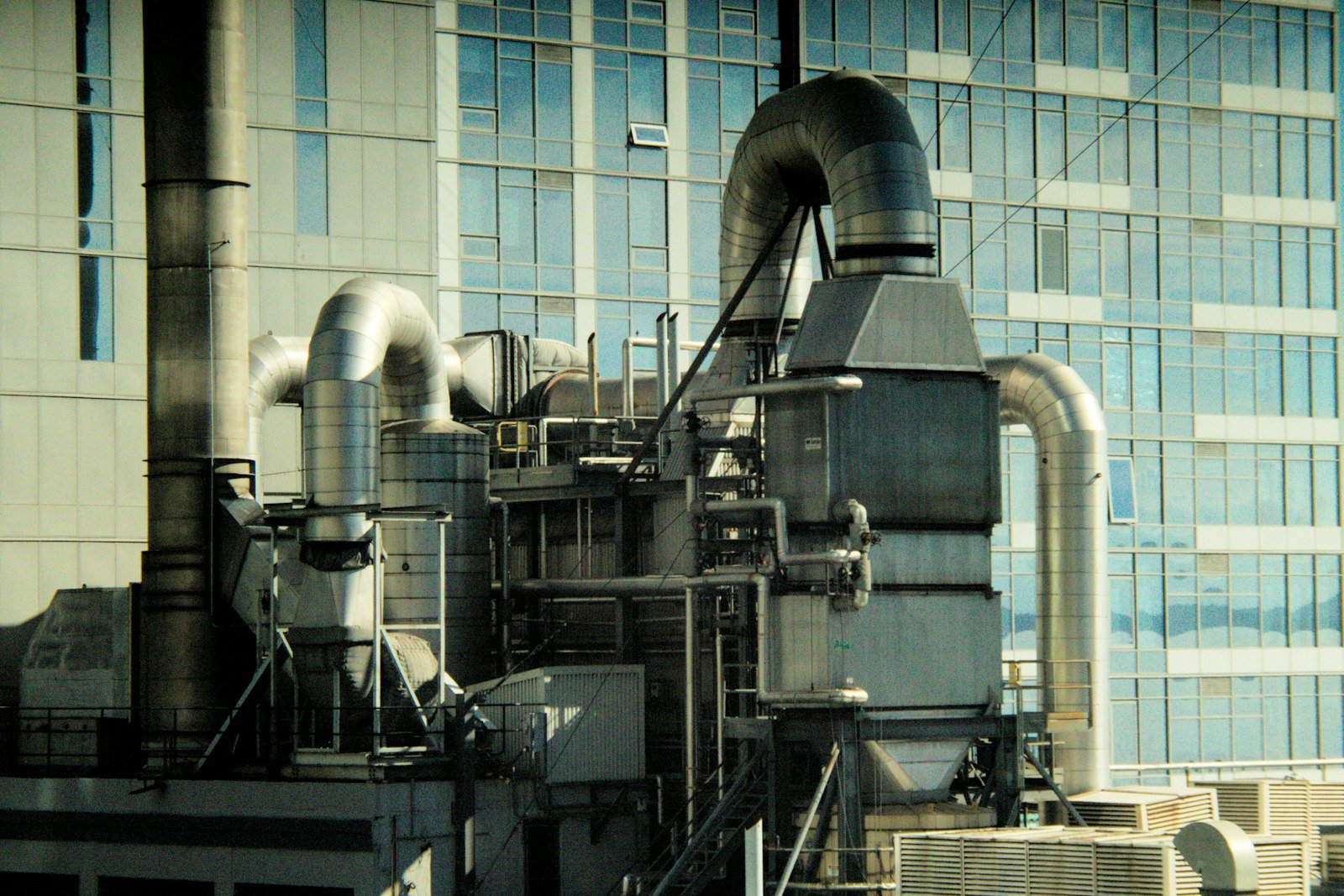
A distillery's EHS record rests on its water balance: fresh water in, spent wash treated, condensate reused and nothing discharged where ZLD applies. Monitoring should close that balance from meters every day.
Why distilleries are different
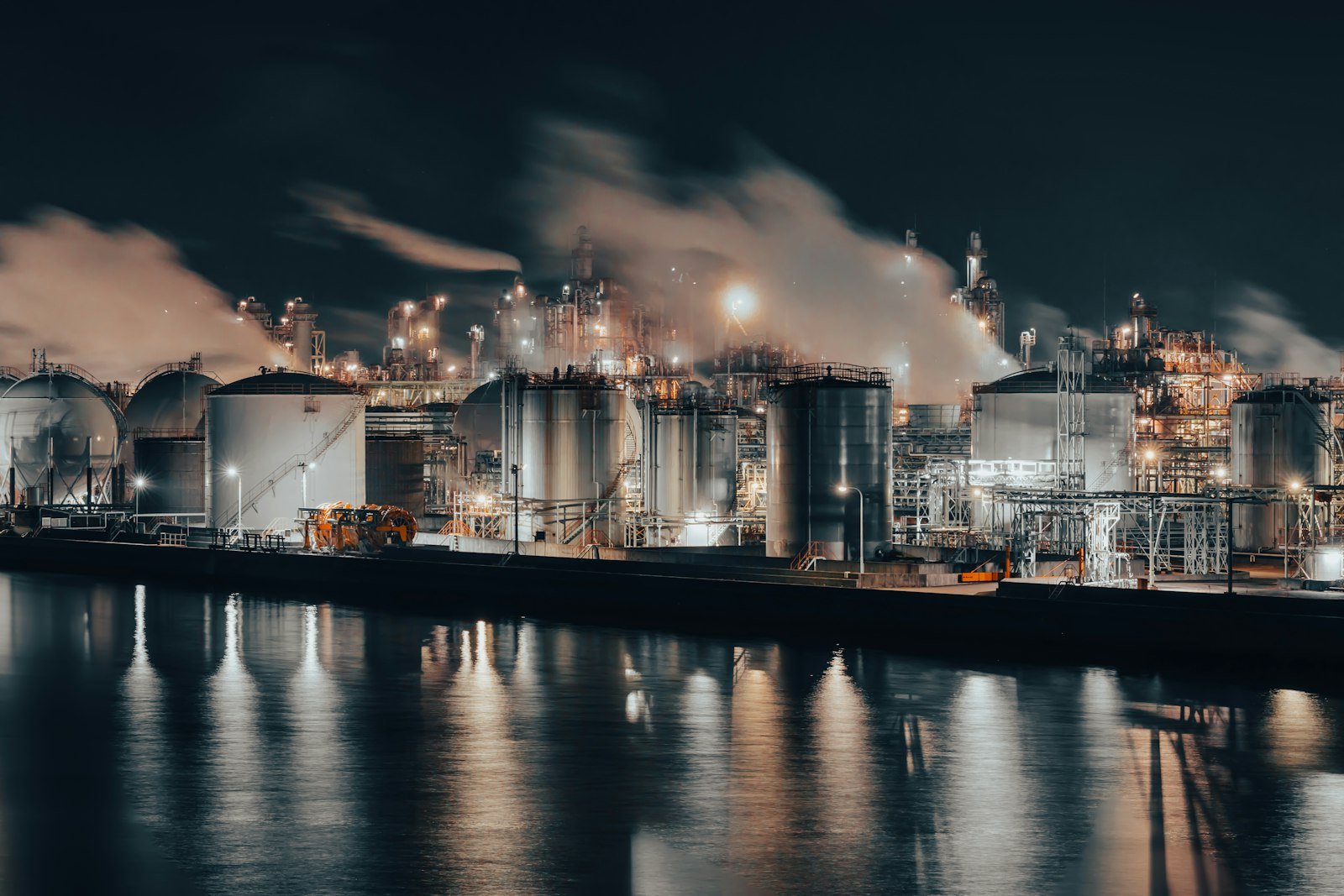
Distilleries produce large volumes of spent wash, a high-strength effluent. Treatment usually combines biomethanation, multiple-effect evaporation, RO and incineration or composting, and the treated condensate returns to the process. Where zero liquid discharge applies, any unexplained water leaving the site is a compliance problem.
The plant is also an energy user. Evaporators and boilers consume steam, and the treatment train runs pumps and RO skids around the clock.
Water stress sharpens this. WRI counts 25 countries, with a quarter of the world's population, facing extremely high water stress.
What the monitoring must do
| Requirement | Why it matters here | Ask the vendor |
|---|---|---|
| Close the water balance daily. | ZLD is proven by accounting for every flow. | Can you show fresh water, treated condensate and losses for one day? |
| Track RO and evaporator performance. | Falling recovery means more waste to handle. | Do you report RO recovery and evaporator throughput? |
| Meter steam and boiler fuel. | Evaporation is energy-intensive. | Can you allocate steam to the treatment train? |
| Keep a clean record. | Regulators and auditors ask for continuous data. | How long are readings kept, and with what sensor health data? |
Reporting and direction
Distilleries operate under consent conditions set by pollution control boards, and many must run continuous effluent monitoring linked to the regulator. Investors and buyers add their own questions: ESRS E3 asks large companies for withdrawal, discharge and recycled water. ISO 14001 frames the site's own monitoring program.
How to evaluate it
- Draw the treatment trainEvery flow from fermentation to condensate reuse.
- Meter the gapsAdd meters where flows are estimated today.
- Run a daily balanceCheck the difference between water in and water accounted for.
- Test the recordExport a month of balance and RO data for the EHS team.
Where Aqueduct fits
aQ WaterGuard models the distillery's water system block by block, including RO feed, permeate, reject and recovery, and the treatment plant's inlet and treated flow. The balance equation runs every minute, so unaccounted water shows by line and hour. aQ EnergySmart covers boilers and pumps. Regulatory reporting stays with the plant; Aqueduct supplies the metered record.
Sources
| Source | Link |
|---|---|
| World Resources Institute, Aqueduct 4.0, 2023 | wri.org |
| EFRAG, ESRS E3 delegated act | knowledgehub.efrag.org |