
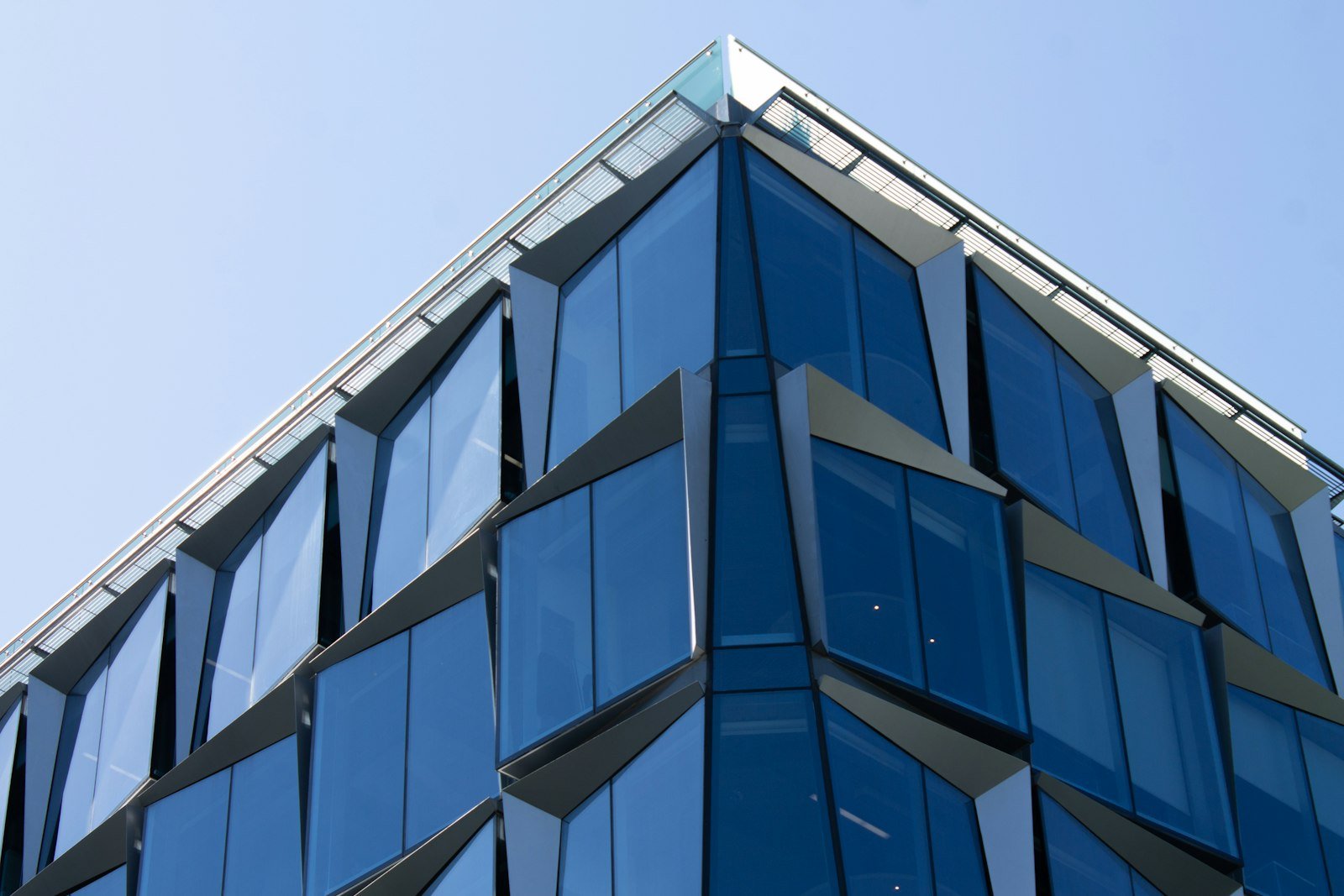
Recharge, chiller plant and water intelligence for a 20M+ sq ft developer.
A Grade-A office building from a developer with 20M+ sq ft is scoped onto Aqueduct to reconcile floor recharge to the utility bill, measure chiller plant efficiency and balance water from source to reuse. Electricity and cooling need no new meters.
For this owner, the question was simple: is every unit paid for recovered?

One utility bill for a building full of tenants
Meter data sat in the building management system while the bill and tariff sat outside it, so no one could say whether every unit paid for was recharged to a tenant. Billed demand was set above the highest demand drawn in 14 months.
The chiller plant was the owner's largest cost of its own, but the BMS carried plant status, not chiller power. Water quality was not measured on site, tankers were called by routine, and air in the shared spaces had never been measured.
Owner level intelligence beside the BMS
One aQ node on the BMS network switch reads electricity and cooling from what the building already publishes, and never writes.
Hardware goes only where the building is blind: water outlet meters and levels across 10 tanks, a make up water quality point for the cooling towers, and indoor air in 7 shared spaces including the lobby, canteen and washrooms. Aqueduct recommends plant strategies, and the owner's team runs them through the existing plant manager.
- 01
One network port
The node joins the switch and reads each converter's object list.
- 02
Water positions
Isolation windows are agreed, then meters and probes are fitted.
- 03
Five owner answers
Contract demand, recharge method, common area basis, make up spec and tanker practice turn estimates into the building's own numbers.
- 04
Baseline and review
14 months of electricity, water and tanker bills are reconciled, and a 90 day review checks every lever, counting unverified levers as zero.
| Layer | What the scope delivers |
|---|---|
| Electricity | Every floor reconciled to the bill monthly, plus demand and time of day for both blocks. |
| Chiller plant | Efficiency in kW per ton from its own electrical input and BTU metering. |
| Water | A balance from source to reuse, with every tanker load logged. |
| Make up quality | TDS and pH of the water the cooling towers receive. |
| Boundary | Read only, with nothing written to the BMS or plant manager. |
Expected outcomes
- Every unit paid for is recharged, assigned to common areas or named.
- Low chilled water delta T traced to the air handler, and scale seen as it builds.
- Night flow, overflows and leaks found at the outlets and tanks.
- Tankers called on measured quality.
A separate future phase covers floor level water sub-metering, occupancy analytics and supervisory HVAC control where control is enabled, with owner approval, with the template designed to extend across the portfolio.
 Fulfillment operations and corporate real estate
Water stewardship across Amazon's fulfillment network, built with Amazon.
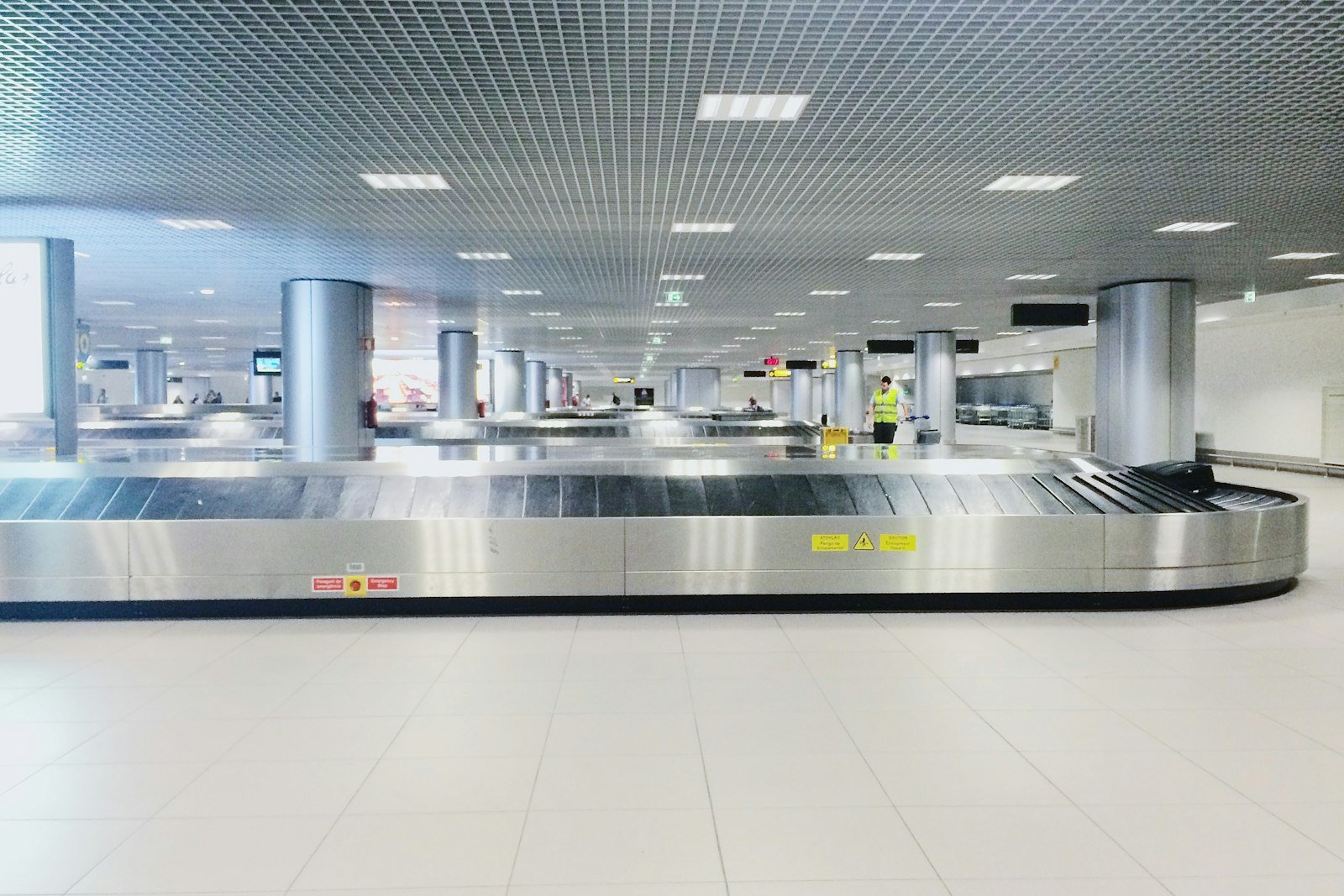 Aviation
A top 25 US airport live on Aqueduct in two weeks.
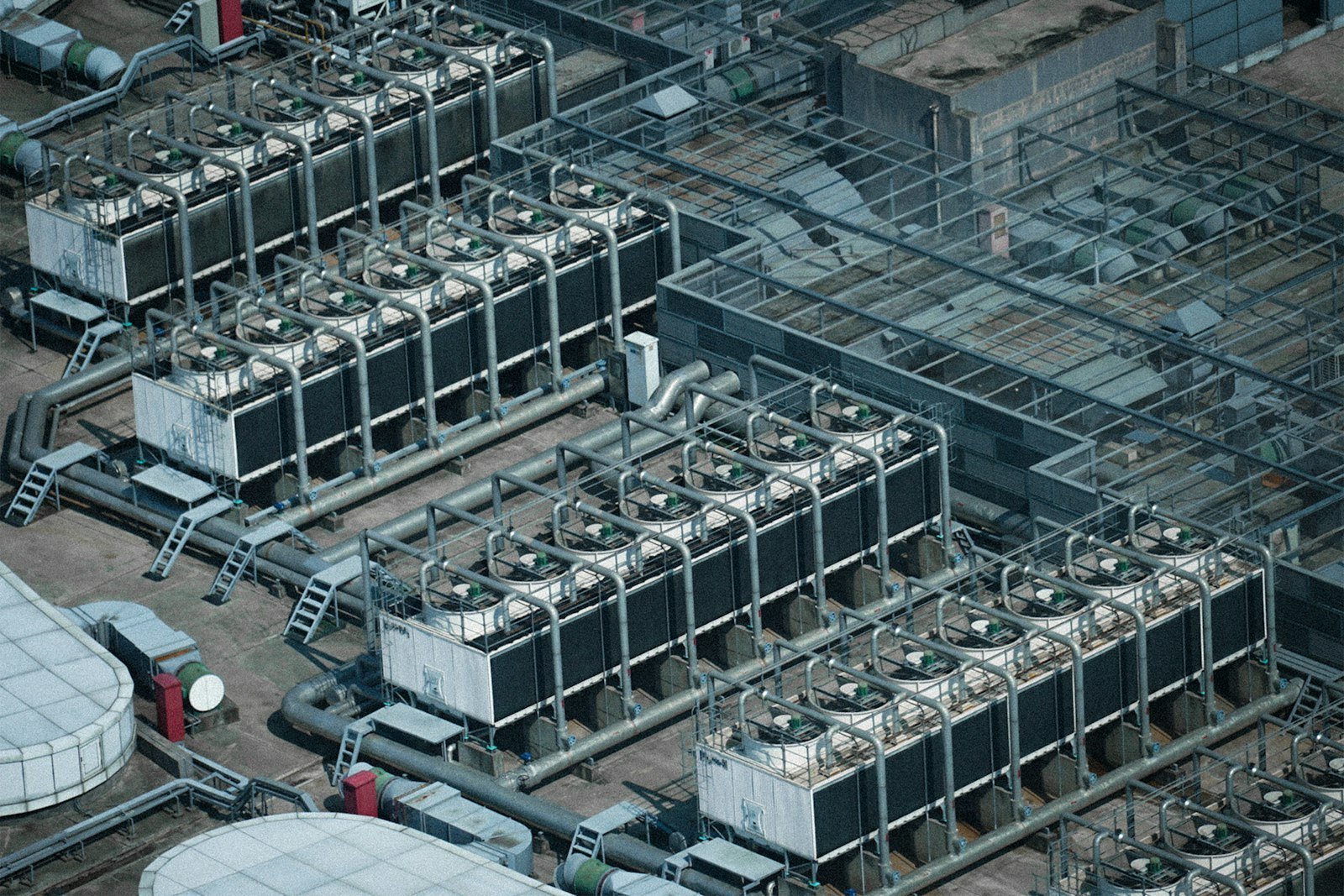 Healthcare
Utility and critical room intelligence for one of India's top hospital chains.
Common questions
Not in this building. The floor meters already publish their data to the BMS, so Aqueduct picks it up from the network without fitting electrical hardware. Purchases are limited to the water side and air sensors in common areas. See tenant submetering and billing.
Against the bill and the plant's own measured efficiency, before and after each change. Efficiency is calculated from metered power and cooling delivered, and a lever the data cannot confirm earns no credit. See HVAC R.
More than a year of utility invoices, including water tanker deliveries, matched against metered consumption. Each month, the gap between what the building paid for and what tenants were charged becomes visible floor by floor. See utility bill validation.
It applies to any multi-tenant building whose BMS already publishes floor meter data. The start is the same: one network port, owner answers on tariff and recharge method, then a 90 day review. See for real estate leaders.
See Aqueduct on your own facility.
Bring a site, a utility bill or a question. We will show you where the loss is.