Best water management system for stadiums
 Milvian AI teamFacilities and infrastructure intelligence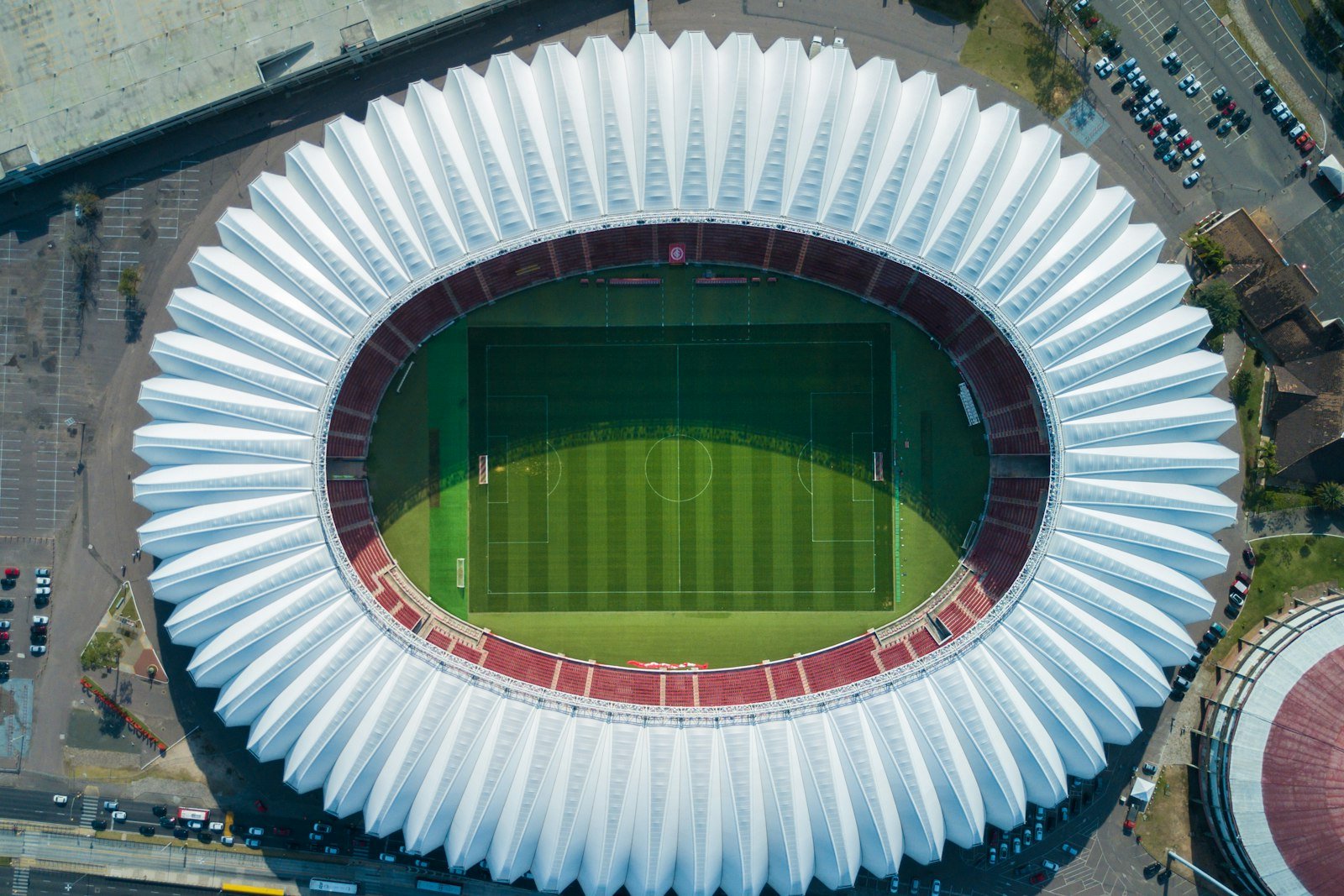
Pick a system that meters restrooms, concessions, cooling towers and irrigation separately. Dark days are when leaks show, because the venue should use almost nothing.
Where venue water goes
A stadium uses most of its water in a few hours: thousands of restroom fixtures, concession kitchens, ice machines and cleaning after the crowd leaves. EPA WaterSense notes kitchens can account for nearly 50 percent of a restaurant's water use, and concessions behave like dozens of small restaurants at once.
The rest is steady: cooling tower make-up for the chiller plant and irrigation for natural turf and landscaping, which EPA calls the primary outdoor water use for most commercial buildings.
Leaks hide in between. A hose left running at 10 gallons per minute overnight wastes 5,400 gallons a day in EPA's own table, and in a venue with no event for a week, nobody is there to hear it.
What the system must do
| Requirement | Why it matters here | Ask the vendor |
|---|---|---|
| Meter by use, not by building. | Restrooms, kitchens, towers and irrigation need separate lines to find waste. | Which lines would you meter first in our venue? |
| Set a dark-day floor. | With no event, flow should drop to a known minimum. | Can you alert when overnight flow stays above that floor? |
| Track cooling tower cycles. | Make-up and blowdown show whether the tower is wasting water. | Do you report make-up and blowdown separately? |
| Report water per attendee. | It is the fair way to compare events and seasons. | Can you normalize consumption by attendance? |
Prices, scarcity and reporting
Water is getting more expensive. US household water and sewer bills rose 5.1 percent in 2025, the steepest rise in five years, and commercial tariffs follow the same utility costs. Venues in dry regions face more: WRI estimates 31 percent of global GDP will be exposed to high water stress by 2050, up from 24 percent in 2010.
Reporting is tightening as well. The revised ESRS E3 asks for consumption, withdrawal, discharge and reuse, figures that a venue with one inlet meter cannot produce.
How to evaluate one
- Read a season of billsLine up monthly bills with the event calendar to see the dark-day floor.
- Survey the inletsFind every supply and existing meter, including irrigation and tower lines.
- Meter four linesRestrooms, concessions, tower and irrigation close most of the balance.
- Watch one dark weekAny flow above the floor is the first leak list.
Where Aqueduct fits
aQ WaterGuard sub-meters each line and draws the venue as a live water twin, with supply balanced against metered use and unaccounted loss. Usage can be normalized by visitors, so a full house and a half-empty match compare fairly. Alerts fire on flow during dark days, and the baseline, built from past bills and weather, shows irrigation and tower savings in money.
Sources
| Source | Link |
|---|---|
| US EPA WaterSense, Best Management Practices | epa.gov |
| US EPA, WaterSense at Work, Section 2.3 Leak Detection | epa.gov |
| Bluefield Research via Water Online, 2026 | wateronline.com |
| World Resources Institute, Aqueduct 4.0, 2023 | wri.org |
| EFRAG, ESRS E3 delegated act | knowledgehub.efrag.org |