
Peak demand management that sequences loads so the site stays under its limit.
Demand charges follow the highest interval of the month, not total use. Aqueduct watches facility load in kW against your contracted or target peak, shows which feeders drive it, and staggers large loads so they do not start together.
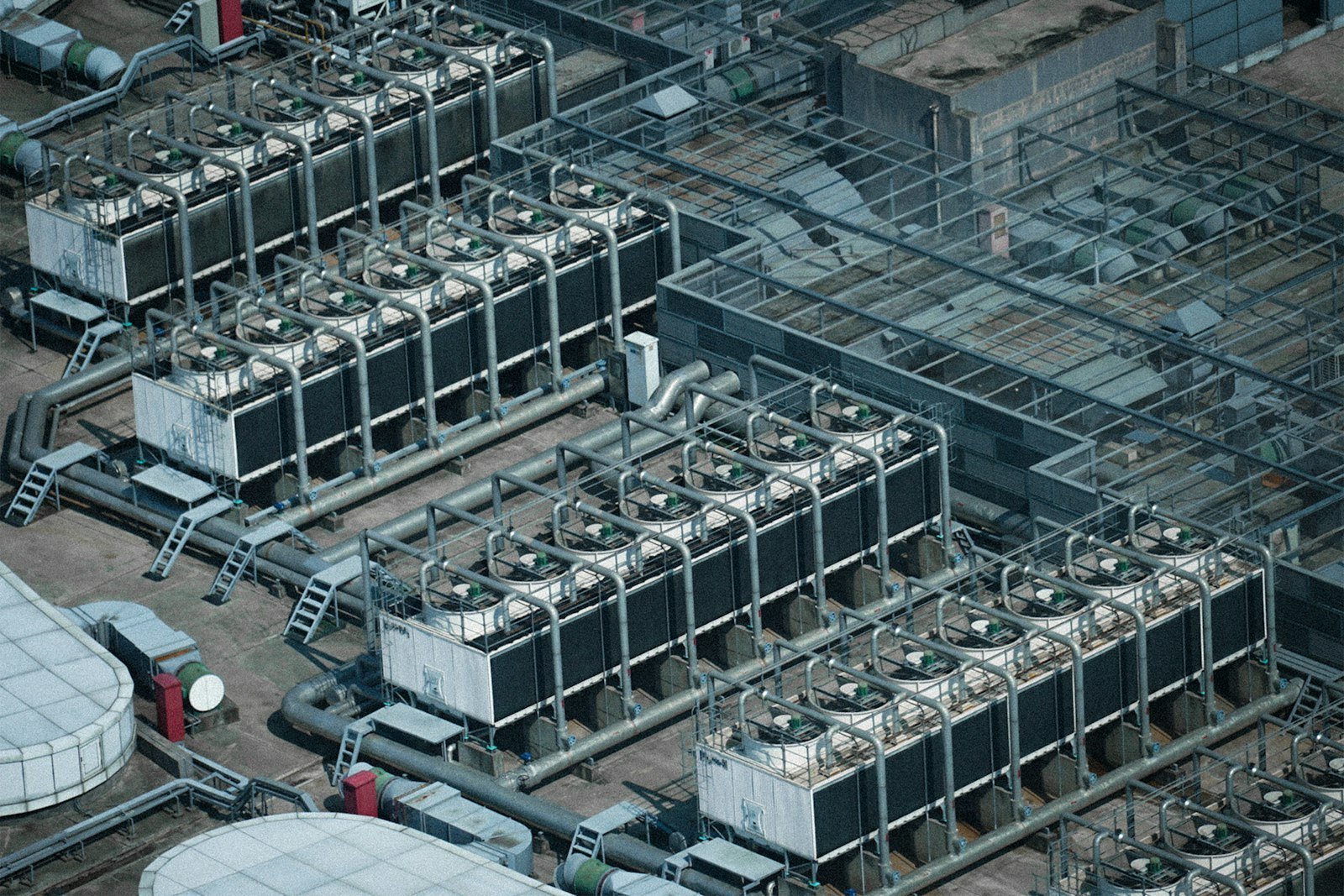
Know the peak, find its cause, keep loads from stacking.
How the peak is watched
- Live facility load
The electrical twin balances grid import, solar and backup generation against HVAC, lighting, plugs and services, in kW.
- Peak, power factor and loading
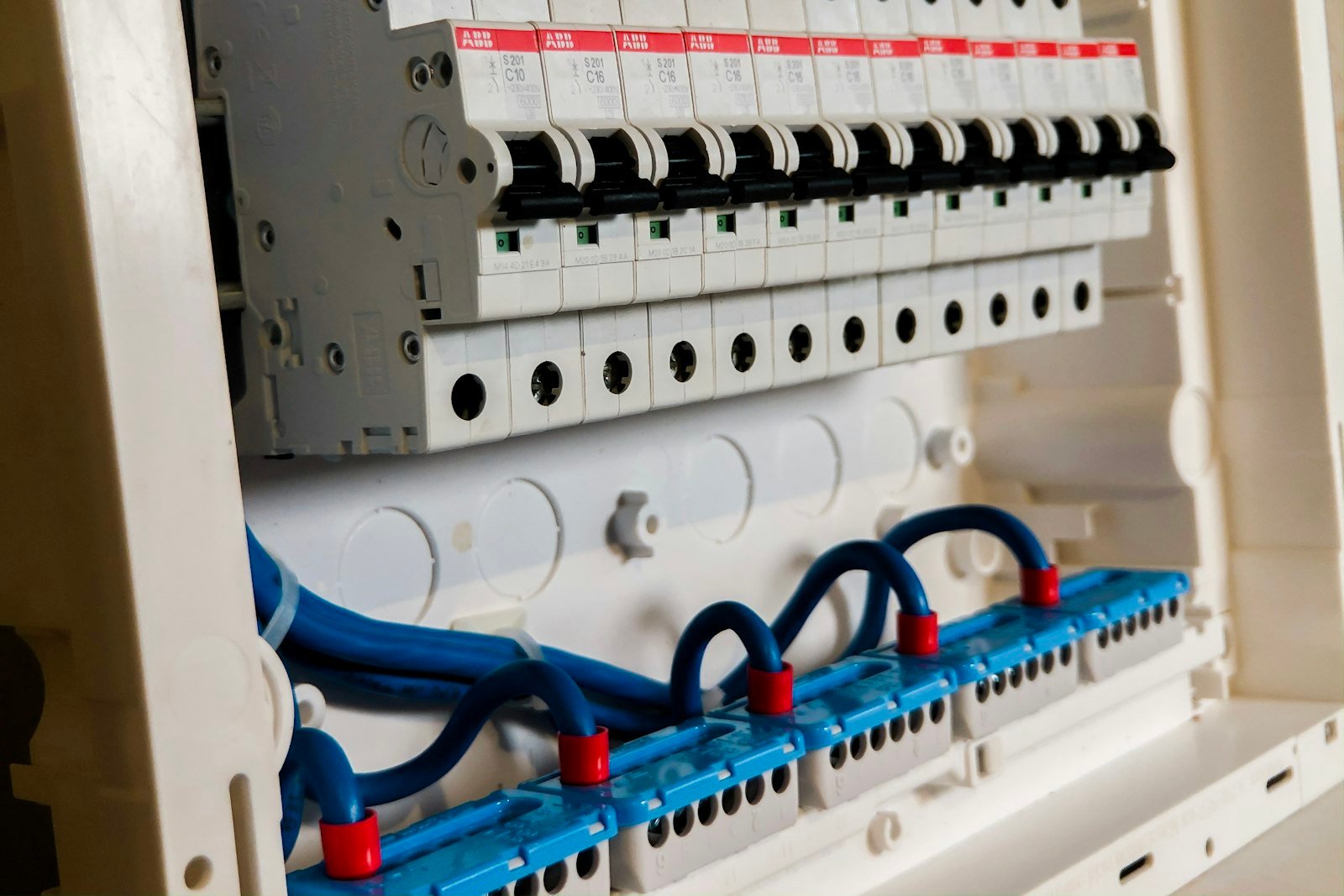
Peak demand, power factor and each feeder's loading as a share of its rated kVA.
- Load sequencing
Start times for large loads, such as refrigeration and process equipment, staggered so they do not coincide.
What drives a peak
- Coincident starts
Several large loads starting in the same interval, often after a scheduled restart.
- Poor power factor
Current and voltage out of phase, so apparent power and reactive penalties rise.
- Source options
Battery, solar or backup generation scheduled against the expected peak where the site has them.

Why peaks are getting harder to hold.
growth in global electricity demand in 2024, with close to 4% a year forecast to 2027.
Source: IEA Electricity 2025projected data center electricity use by 2030, up from about 415 TWh in 2024.
Source: IEA Energy and AIAn example
Illustrative: a cold store sets its monthly peak at 06:00 on Mondays, when compressors and lighting restart together after the weekend. Staggering compressor starts across 20 minutes lowers that interval, and the next bill's demand line confirms it.
Limits
Sequencing needs control of the loads, through LoRaWAN relays or Modbus and BACnet field devices, where control is enabled, with owner approval. Without control, Aqueduct recommends the schedule and your team sets it.
It cannot move a load that must run at a fixed time. Utility demand response programs are run by your utility or aggregator.
Related
Common questions
A demand charge is based on the highest demand in kW during the billing period, usually averaged over a short interval. One coincident start of chillers and process loads can set it for the month. Aqueduct shows that interval and what caused it. See maximum demand charges.
aQ EnergySmart measures power factor on every metered feeder and shows where correction would cut the reactive penalty. The correction equipment, such as capacitor banks, is fitted by your electrical contractor, and Aqueduct then confirms the result. See power factor.
No. Load sequencing works on the equipment a site already has by staggering large starts. Solar, batteries and backup generators add options where they exist, and Aqueduct shows each source on the electrical twin. See aQ EnergySmart.
Aqueduct raises an alert as live kW climbs toward the contracted or target peak. If the owner has approved control for those units, it delays or staggers large loads such as refrigeration and chillers. See peak demand and tariffs.
See Aqueduct on your own facility.
Bring a site, a utility bill or a question. We will show you where the loss is.