HVAC technicians stay scarce
BLS expects about 40,600 openings a year for HVACR mechanics through 2035, so every truck roll has to count.
US Bureau of Labor Statistics Book a demo
Fault detection on AHUs, chillers, rooftop units and pumps, plus vibration, sound and energy drift on the machines that cannot stop. Each finding becomes a work order with a likely cause.
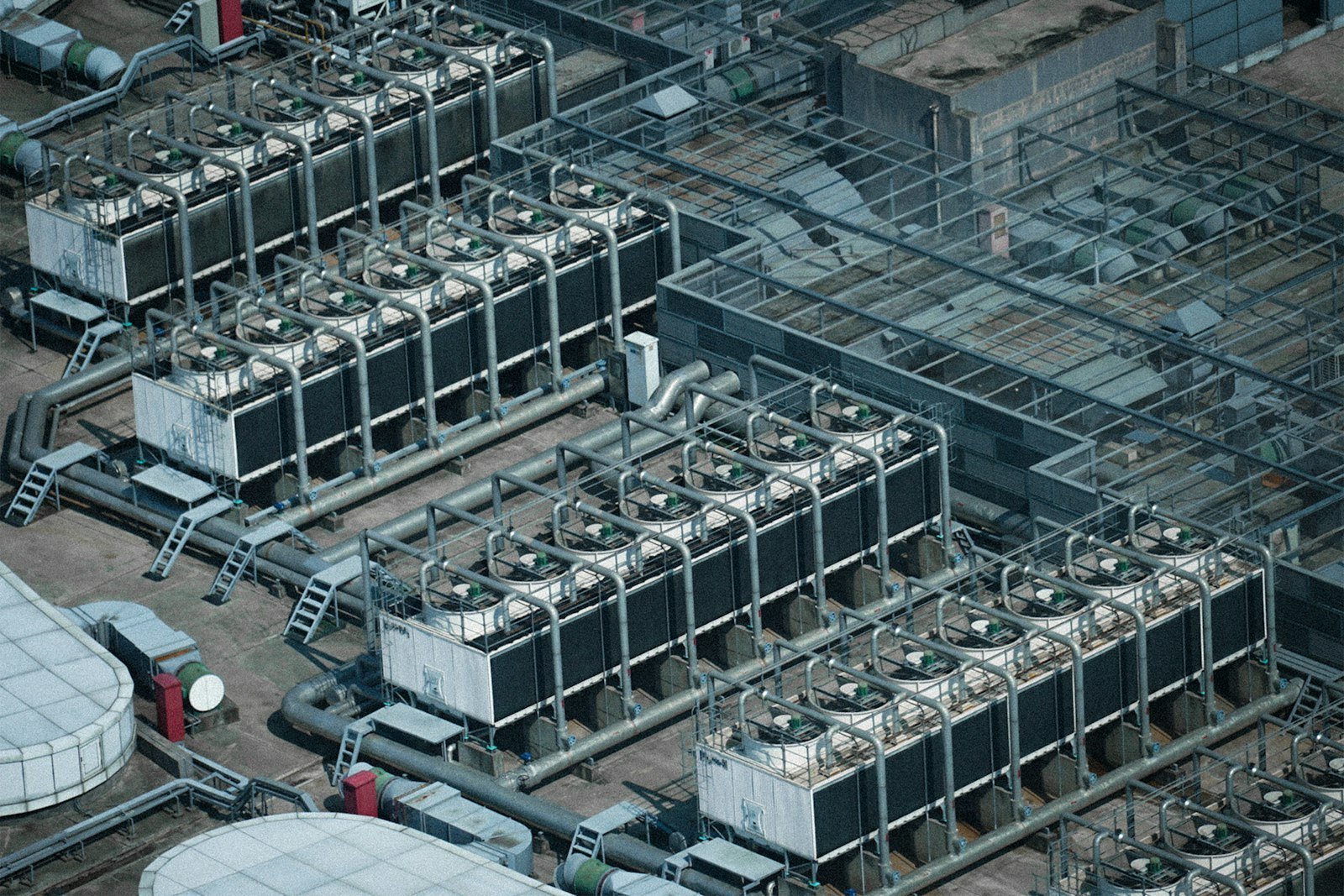
of air handling units showed a reported fault on any given day, across 60,000+ pieces of monitored HVAC equipment.
LBNL, Crowe and Granderson et al., 2023median energy savings after two years for fault detection users, across about 6,000 buildings, with a one to two year payback.
LBNL and DOE Smart Energy Analytics Campaignsaved by a working predictive program over preventive maintenance alone, and 30 to 40% where sites mostly run to failure.
US DOE FEMP, O&M Best Practices GuideA fan commanded on that reports no airflow, a valve left in manual, a compressor whose vibration climbs a little each week: PredictIQ compares what each unit was told to do with what it did, and how it behaves against its own history.
An AHU blower stops. Aqueduct flags it, diagnoses a failed rotor shaft, routes the fix to your CMMS and confirms the airflow came back.
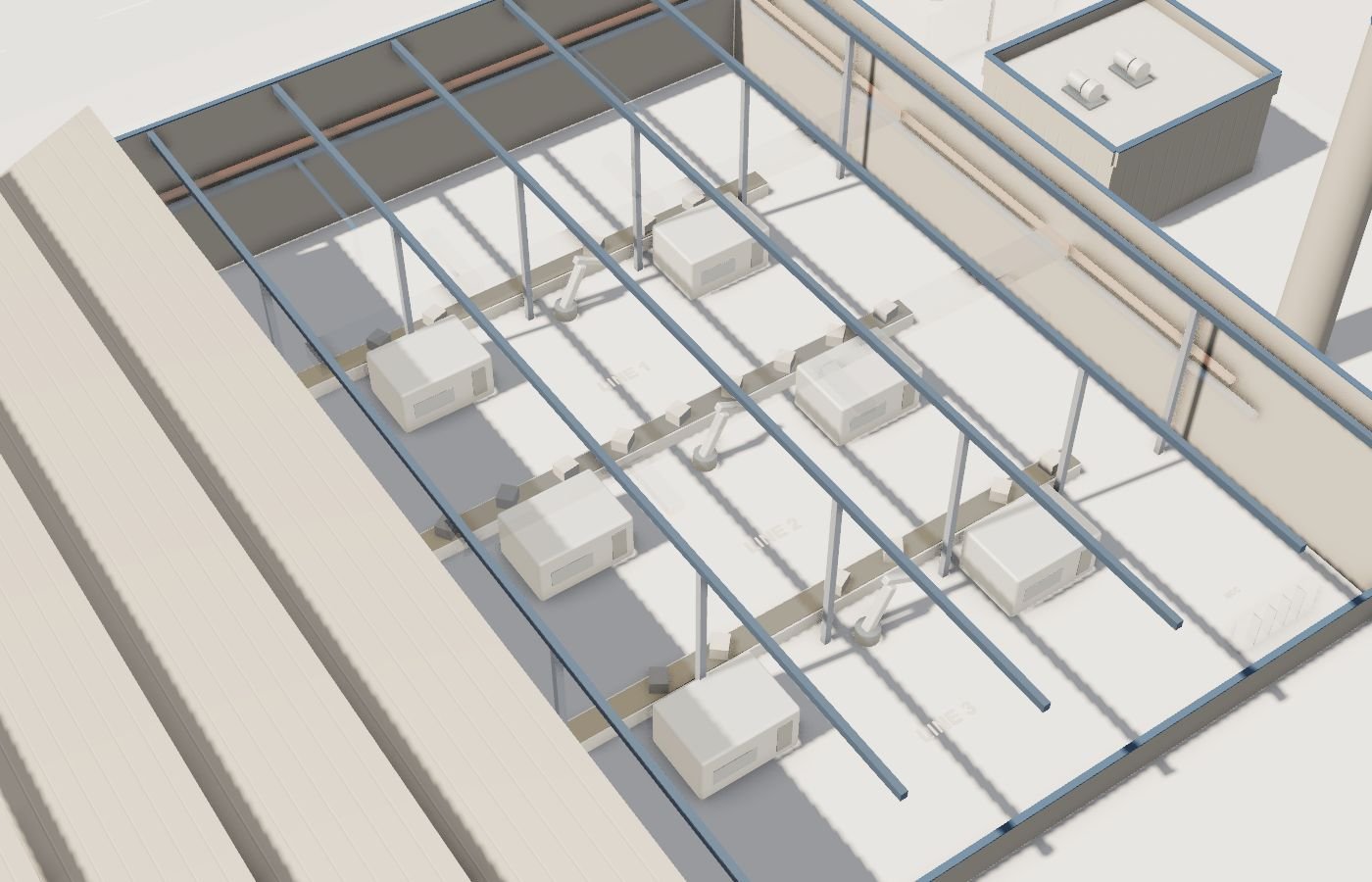
Compressor vibration, a new sound signature or slow energy drift schedule the maintenance before the line or the plant stops.
Faults found when an occupant complains
Faults flagged from BMS and meter data the day they start
A technician diagnoses on site
The work order arrives with the likely cause and the evidence
Calendar maintenance whether a unit needs it or not
Service scheduled from vibration, sound and energy drift
The ticket closes when someone says so
The ticket closes when the data shows the unit is back to normal
BLS expects about 40,600 openings a year for HVACR mechanics through 2035, so every truck roll has to count.
US Bureau of Labor StatisticsIn manufacturing, unplanned downtime costs the 500 largest companies about $1.4 trillion a year, and average recovery time rose from 49 to 81 minutes.
Siemens, True Cost of Downtime 2024Almost half of manufacturers surveyed now have a predictive maintenance team, double the share in 2019, and 87% already collect the data it needs.
Siemens, True Cost of Downtime 2024Top-performing facilities run under 10% reactive and 45 to 55% predictive maintenance; track your own mix month by month.
US DOE FEMPDispatch with the likely cause and the part, instead of a diagnostic visit first.
Many faults are control faults. In a PNNL simulation, well-tuned controls could cut US commercial building energy by about 29%.
PNNL via US DOE, 2017 (simulation)Replace the units whose condition data says so, rather than the ones whose age says so.
From live sites across hospitals, real estate portfolios and plants.
sites in 21 countries.
and 9 clinics in one hospital chain.
aQ PredictIQ covers air handlers, rooftop units, chillers, cooling towers, pumps, compressors and boilers. It reads BMS points and meters for fault detection, and adds vibration or acoustic sensors on the rotating machines where a breakdown would stop a line or a plant. See fault detection and diagnostics.
aQ PredictIQ needs a few weeks of each machine's own history: vibration, sound signature and energy draw. It learns that unit's normal and raises a maintenance alert when a trend moves away from it, before the trip. Fault detection on BMS points works from the first day. Read about predictive maintenance.
aQ PredictIQ routes each finding into the CMMS or EAM you already run. The work order carries the likely cause, the affected component and the trend that triggered it attached. Your technicians keep their existing workflow, and the connection is scoped per project to your system. See integrations.
aQ PredictIQ keeps watching the same signals after the work order closes. If airflow, vibration or energy draw returns to the unit's normal, the fix is confirmed; if the fault comes back, the ticket reopens with the new evidence. See asset observability.
Yes, for fault detection. aQ PredictIQ compares what each unit was commanded to do with what its BMS points report, such as a fan on with no airflow. New vibration and acoustic sensors go only on critical rotating equipment. See the HVAC R coverage list.
Bring a site, a utility bill or a question. We will show you where the loss is.