Best water management system for airports
 Milvian AI teamFacilities and infrastructure intelligence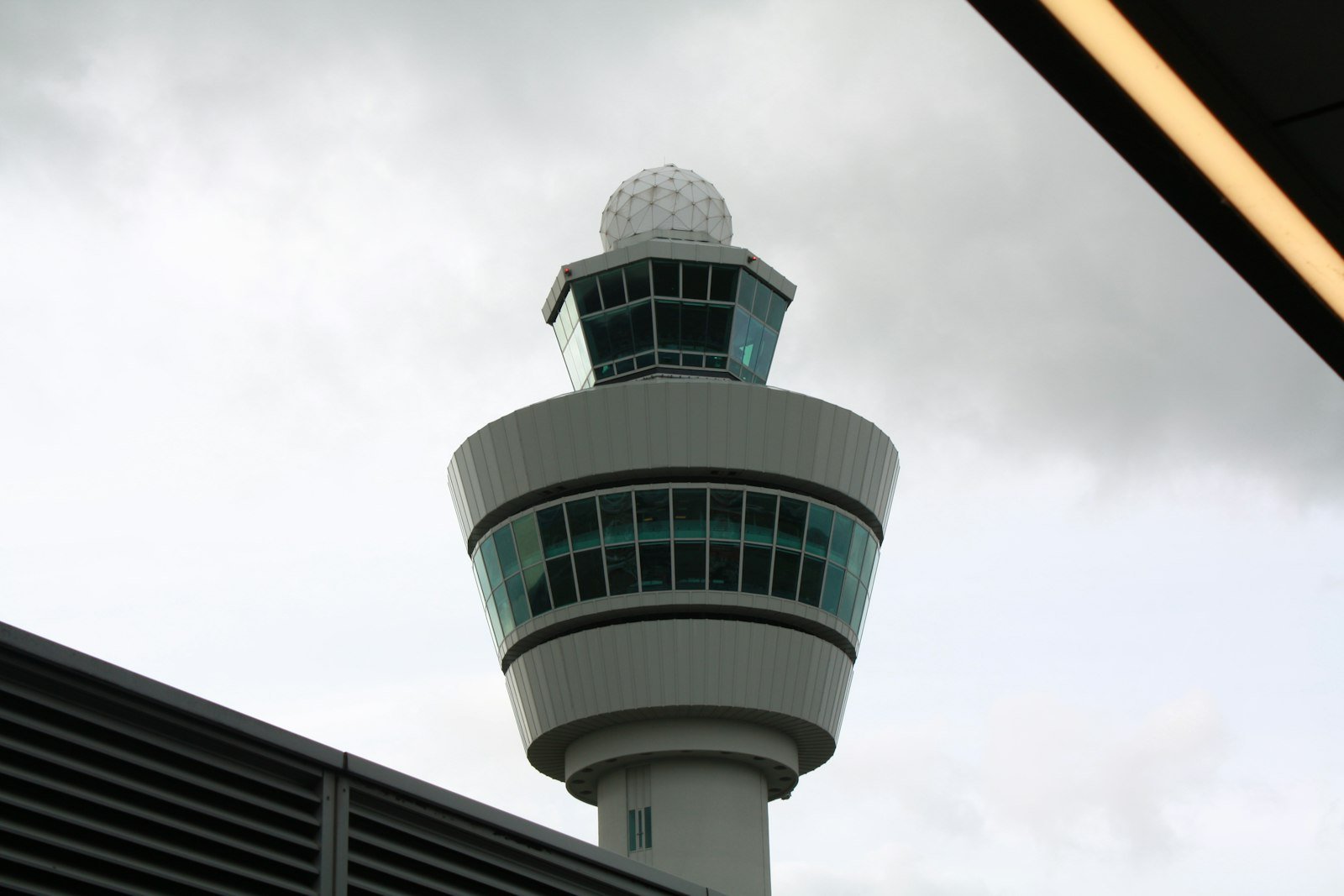
The right airport water system closes one balance across terminals, the central plant, tenants and airside. It normalizes use per passenger so terminals and seasons compare fairly.
Where water goes at an airport
An airport's water runs through restrooms that serve millions of passengers, restaurants and kitchens, cooling towers for the central plant, aircraft and equipment washing, fire systems and landscaping. Many of these sit behind a single utility meter per terminal.
Kitchens can account for nearly 50 percent of a restaurant's water use, according to EPA WaterSense, and an airport can host dozens of food outlets. Cooling towers can waste far more when they run poorly: EPA notes single-pass cooling uses about 40 times more water than a tower for the same heat load.
If more than 10 percent of a facility's water cannot be accounted for, EPA says it may have leaks. Most airports cannot run that test because they lack the sub-meters.
What the system must do
| Requirement | Why it matters here | Ask the vendor |
|---|---|---|
| Close a balance per terminal. | Unaccounted water is the leak signal, and it needs a home. | Show unaccounted loss for one terminal, by hour. |
| Normalize per passenger. | Passenger numbers swing by season and by terminal. | Can you report gallons per passenger? |
| Bill tenants from meters. | Restaurants and lounges use far more than their floor area suggests. | How do you handle meters shared by several tenants? |
| Track the plant and towers. | Make-up and blowdown drive a large share of use. | Do you report cycles of concentration? |
Metering rules and where this is going
US federal buildings had to be water metered by 1 October 2022 under the Energy Act of 2020, with advanced meters reporting at least daily, a useful benchmark for public airport authorities. Singapore requires sites using 60,000 cubic meters a year or more to meter key areas and file a water efficiency management plan.
Reporting is heading the same way: the revised ESRS E3 asks for consumption, withdrawal, discharge and recycled water, and water and sewer bills in the US rose 5.1 percent in 2025.
How to evaluate one
- Map every inletInclude terminals, plant, airside, cargo and tenants.
- Meter one terminal fullyClose the balance before rolling out.
- Add passenger countsFeed daily passengers into the normalization.
- Move one tenant group to metered billingStart with restaurants, where the gap is widest.
Where Aqueduct fits
aQ WaterGuard draws each terminal's water system as a live twin and solves supply against metered use and loss every minute. Unaccounted flow is located to a line and an hour, cooling towers and any RO or STP plant appear on the same schematic, and Billing Management bills tenants from their meters. A top 25 US airport went live on Aqueduct in two weeks with 5,000 meter points.
Sources
| Source | Link |
|---|---|
| US EPA WaterSense, Best Management Practices | epa.gov |
| US EPA, WaterSense at Work, Section 2.3 Leak Detection | epa.gov |
| US DOE FEMP, Water Metering Resources | energy.gov |
| Singapore PUB, Mandatory Water Efficiency Requirements | pub.gov.sg |
| EFRAG, ESRS E3 delegated act | knowledgehub.efrag.org |
| Bluefield Research via Water Online, 2026 | wateronline.com |