Best energy management system for dairy plants
 Milvian AI teamFacilities and infrastructure intelligence
A dairy EMS should meter refrigeration, steam and hot water per process and report energy per liter processed. It must also keep compressor and boiler starts from stacking into a demand peak.
Heat and cold in the same building
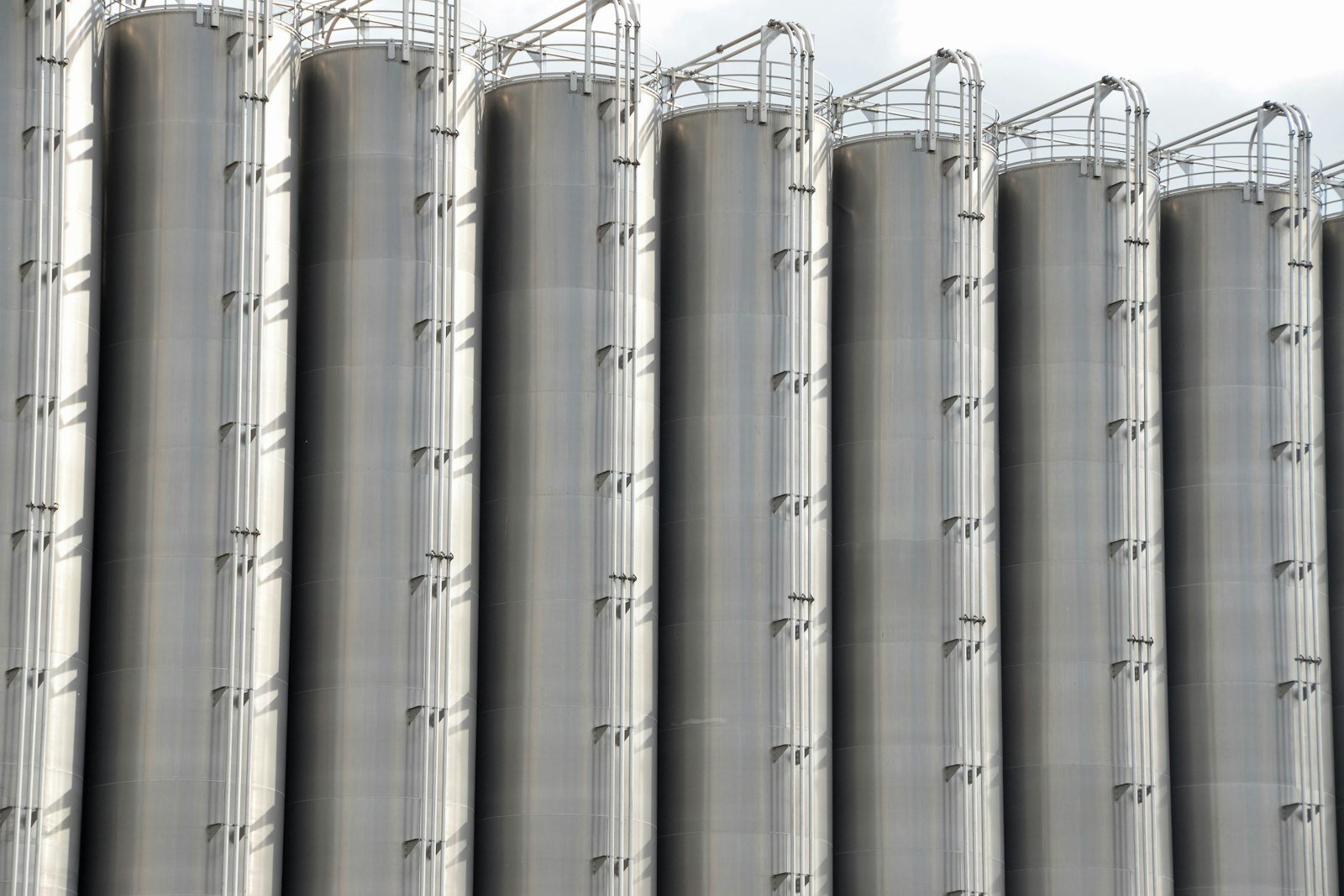
A dairy heats and cools the same product several times. Raw milk is chilled on arrival, heated for pasteurization, cooled again, and then held cold in silos, cold rooms and dispatch. Powder and condensed plants add evaporators and dryers, and every line runs CIP cycles with hot water and chemicals.
Refrigeration compressors and boilers are the two largest energy users, and they interact. Heat recovered from refrigeration can preheat CIP water; without it, the boiler does that work and the condensers reject the same heat outside.
Condenser and cooling water choices matter: EPA notes that single-pass cooling uses about 40 times more water than a cooling tower to remove the same heat load.
What the EMS must do
| Requirement | Why it matters here | Ask the vendor |
|---|---|---|
| Meter refrigeration separately. | Compressors run all year and drift quietly. | Can you trend compressor power against suction and discharge conditions? |
| Meter steam and hot water. | Pasteurizers, evaporators and CIP draw heat at different times. | Can you allocate boiler output by process? |
| Report energy per liter. | Volume swings with milk supply and season. | Can you import intake volumes and normalize? |
| Sequence big starts. | Compressors, boilers and CIP pumps starting together set the peak. | Do you alert before a demand threshold? |
Reporting and direction
ISO 50001 gives dairies a framework for energy baselines and indicators, and large processors in Europe report energy and water under ESRS. Electricity demand is rising: the IEA expects global growth close to 4 percent a year to 2027, so peak tariffs and capacity charges are unlikely to fall.
How to evaluate one
- Separate heat and coldMeter refrigeration and the boiler house first.
- Link intake volumesFeed daily milk intake into the EMS.
- Look for recoveryCheck where refrigeration heat could preheat CIP or boiler feed.
- Stagger one CIP cycleMove a cycle away from compressor peaks and compare demand.
Where Aqueduct fits
aQ EnergySmart draws the dairy's electrical single line to each feeder, including compressors, CIP pumps and packing lines, with power factor and loading per node. Load sequencing keeps big starts apart, and the baseline uses bills, degree days and intake. Gas for boilers is tracked in therms or cubic meters. Aqueduct runs at major dairy operations.