Best chiller plant optimization software
 Milvian AI teamFacilities and infrastructure intelligence
Good chiller plant optimization starts with measured plant efficiency, in kW per ton, for every operating condition. Software then sequences chillers, pumps and towers to keep it low, with every change logged.
Why chiller plants drift
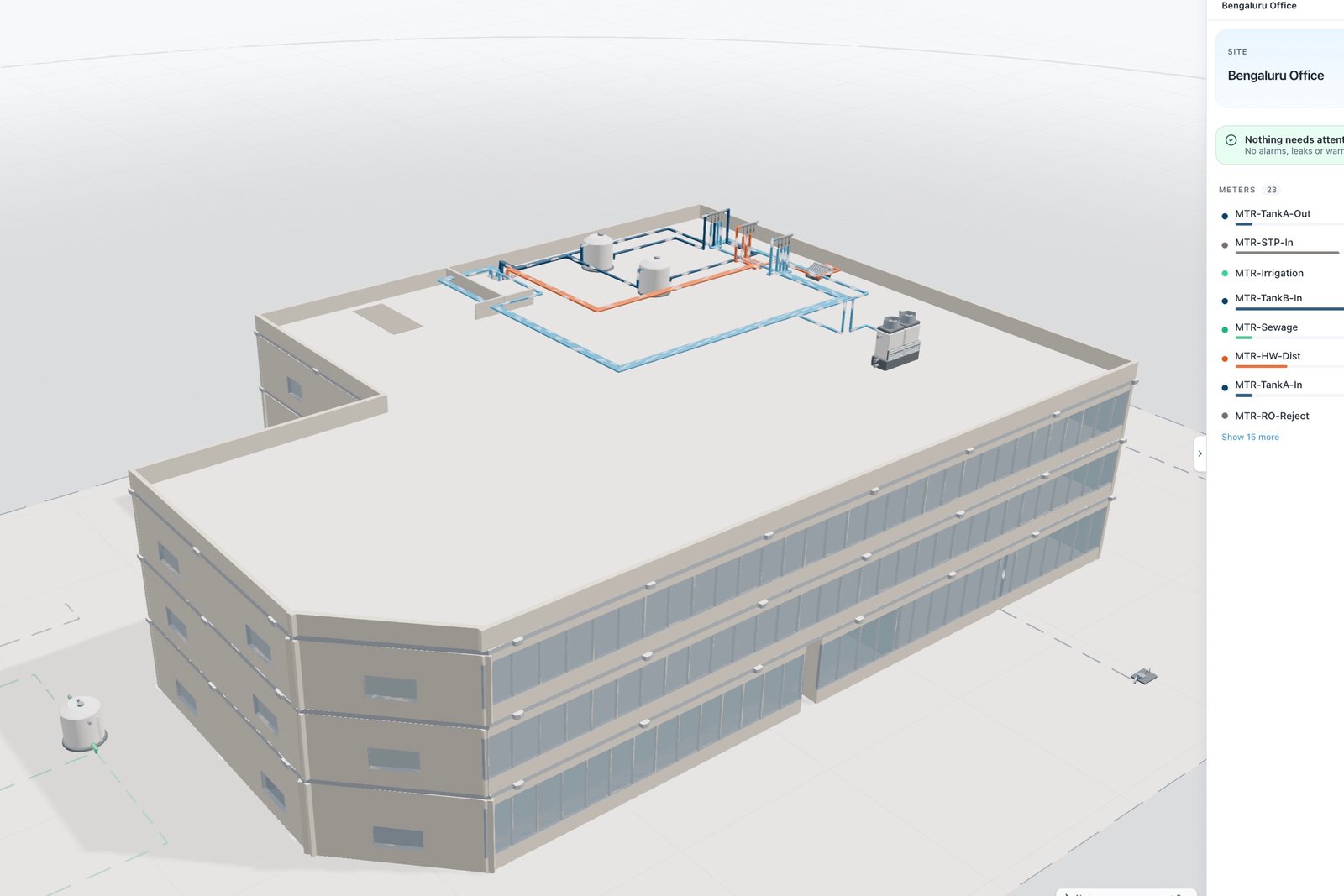
A chilled water plant combines chillers, primary and secondary pumps, cooling towers and controls that were commissioned once and then left. Sequences written for design conditions run all year. Condenser water setpoints stay fixed, towers run more fans than needed, and a second chiller starts when one could carry the load.
Faults are common. LBNL's study of 60,000 pieces of HVAC equipment found 40 percent of air handlers reported a fault on any given day, and plant equipment is no less prone to drift.
What the software must do
| Requirement | Why it matters here | Ask the vendor |
|---|---|---|
| Measure plant kW per ton. | Efficiency is the only fair measure of a plant. | Which meters and flow sensors do you need? |
| Optimize sequencing. | Running chillers at their best load saves the most. | How do you decide when to stage chillers? |
| Reset condenser water. | Colder condenser water cuts compressor work. | Do you reset condenser setpoints to wet-bulb? |
| Track tower water. | Optimizing energy can raise water use. | Do you report tower make-up and blowdown? |
| Govern changes. | Plants serve critical loads. | How are commands approved, limited and logged? |
Standards and direction
ASHRAE Guideline 36 publishes high-performance sequences of operation, and ASHRAE 90.1 sets minimum efficiency. EPA notes single-pass cooling uses about 40 times more water than a cooling tower for the same heat load, so tower operation belongs in the same analysis. Rising electricity demand, which the IEA expects to grow close to 4 percent a year to 2027, raises the value of every kW per ton saved.
How to evaluate it
- Meter the plantPower on chillers, pumps and towers, plus chilled water flow and temperatures.
- Measure a seasonBuild a kW per ton profile against load and wet-bulb.
- Change one sequenceTest staging or condenser reset with operator approval.
- Compare against baselineUse a weather-normalized expected plant energy.
Where Aqueduct fits
Aqueduct reads the plant over BACnet and Modbus and adds power and flow meters where needed. aQ EnergySmart reports plant energy against a degree-day baseline, aQ WaterGuard tracks tower water, and Smart Controls adjusts chillers and setpoints where control is enabled, with owner approval, with lockouts that prevent short cycling.
Sources
| Source | Link |
|---|---|
| LBNL, Crowe and Granderson et al., 2023 | bies.lbl.gov |
| US EPA WaterSense, Best Management Practices | epa.gov |
| IEA, Electricity 2025 | iea.org |