Best building management system for shopping malls
 Milvian AI teamFacilities and infrastructure intelligence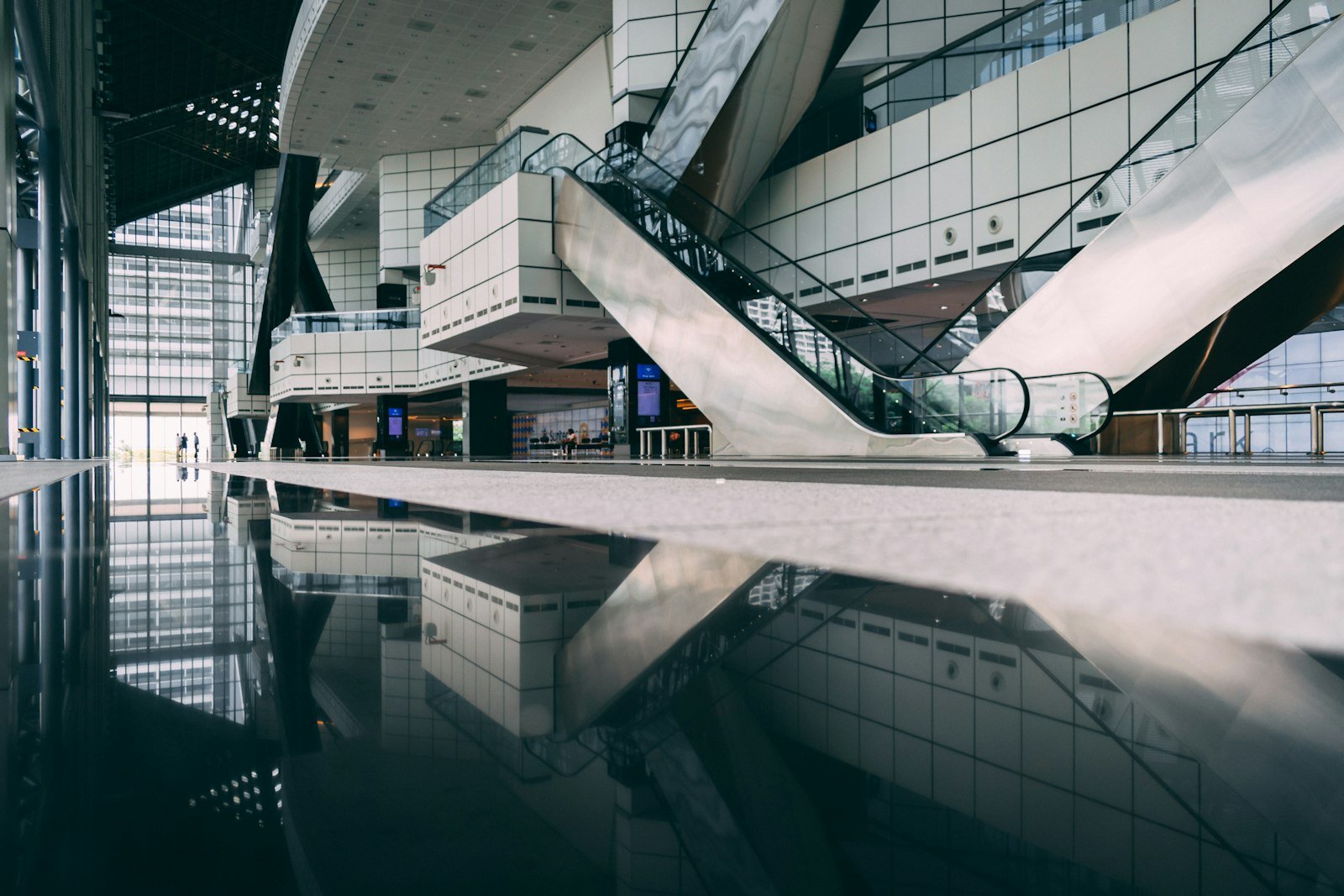
A mall BMS has to run the common areas to footfall and opening hours while tenants run their own units. Look for one that reads tenant equipment, ventilates to measured crowds and bills overtime air.
What makes a mall different
Think of it as two buildings. The landlord runs the common areas: atriums, corridors, food courts, restrooms, parking and the central plant. Tenants run their own shops, often with their own rooftop units, on their own hours. The BMS sees the first and guesses at the second.
EIA's 2018 survey found enclosed malls and strip shopping centers used 111.0 thousand Btu per square foot, against 64.1 for other retail. Cooking took 13 percent of their end use, which points straight at the food court.
Footfall is uneven. A Saturday afternoon and a Tuesday morning call for very different ventilation, yet many malls run the same schedule every day of the week.
What the system has to do
| Requirement | Why it matters here | Ask the vendor |
|---|---|---|
| Ventilate to footfall. | Fixed outdoor air wastes heating and cooling on quiet days. | Can CO2 or occupancy counts drive common-area ventilation? |
| Control food court exhaust. | Hoods often run all day regardless of cooking. | Can you schedule or modulate hood fans by trading hours? |
| See tenant rooftop units. | Tenant units fault and short-cycle unseen. | Can you read tenant RTUs without replacing their thermostats? |
| Bill overtime HVAC. | Late trading tenants should pay for extra hours. | How do you record and bill after-hours runtime? |
| Separate common and tenant loads. | Service charges depend on that split. | Can you report common-area consumption on its own? |
Rules and pressure on retail landlords
Large malls in New York City fall under Local Law 97, which applies to buildings over 25,000 square feet and charges $268 per metric ton of CO2e over the limit. In Europe, the recast EPBD targets the worst-performing 16 percent of non-residential buildings by 2030. ASHRAE 62.1 sets the ventilation rates for retail and food court occupancies.
Faults are the quiet cost. Across 60,000 pieces of HVAC equipment, LBNL found that on any given day 40 percent of air handlers showed a reported fault.
Running the evaluation
- Separate the two buildingsList common-area plant and controls, then every tenant unit with its owner.
- Count footfallUse door counters or CO2 to see how ventilation tracks crowds.
- Pilot the food courtHood schedules and makeup air show results quickly.
- Test overtime billingRun a late-trading request through to a tenant invoice.
Where Aqueduct fits
Aqueduct reads the landlord BMS and tenant rooftop units into aQ Core. aQ AirSafe sets common-area ventilation from measured CO2 and occupancy, Smart Controls schedules hoods, fans and rooftop units over BACnet, Modbus or LoRaWAN relays where control is enabled, with owner approval, and the RTU twin shows compressor, fan and economizer states. Billing Management bills tenants from their meters.
Sources
| Source | Link |
|---|---|
| US EIA, CBECS 2018, Mercantile buildings | eia.gov |
| LBNL, Crowe and Granderson et al., 2023 | bies.lbl.gov |
| NYC Department of Buildings, LL97 presentation | nyc.gov |
| European Commission, Energy Performance of Buildings Directive | energy.ec.europa.eu |