
Energy management and classroom air for school districts.
A district runs schools that sit empty every evening, weekend and break, with classroom air nobody records. Aqueduct baselines every campus against weather and the school calendar, and logs classroom CO2 against occupancy.
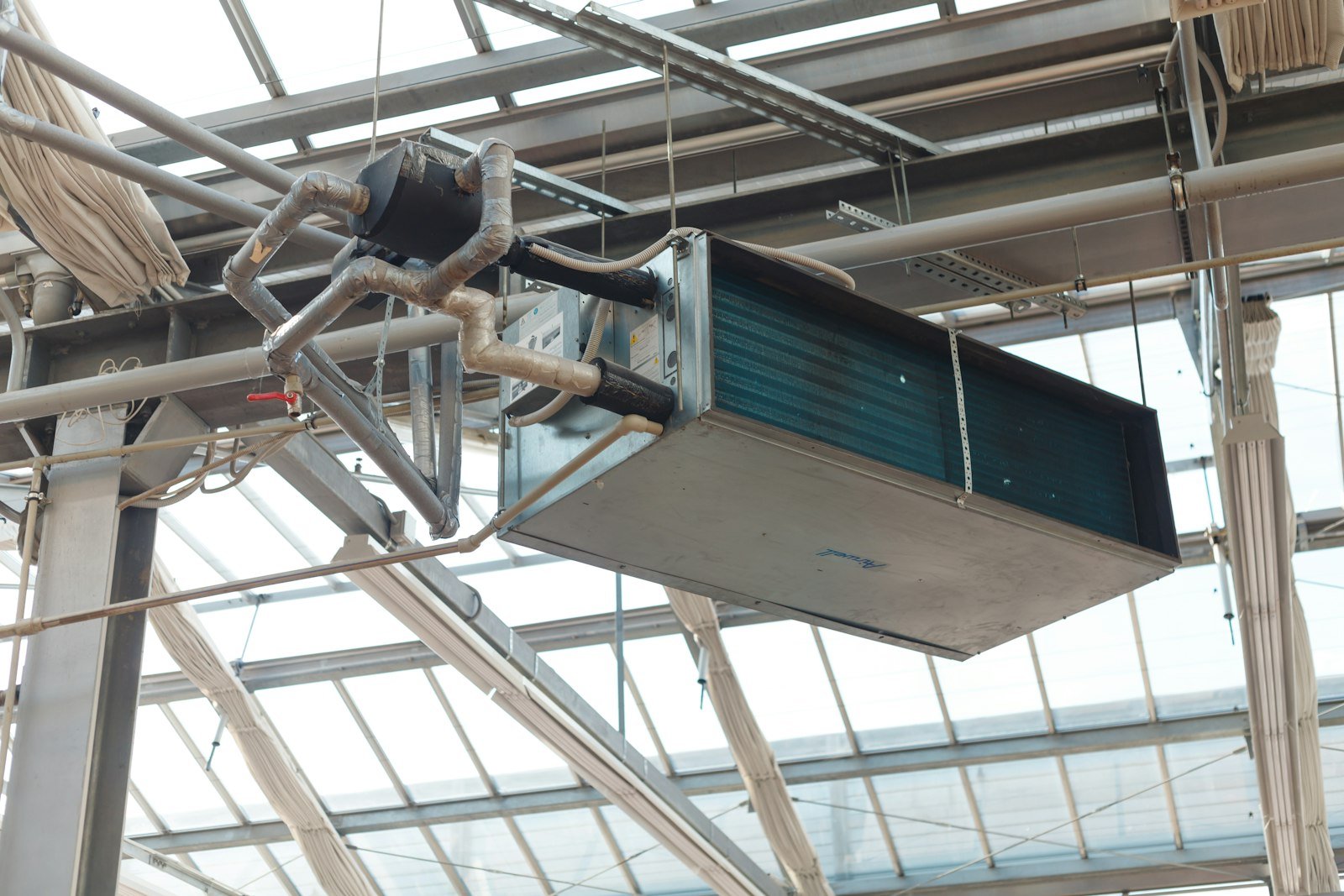
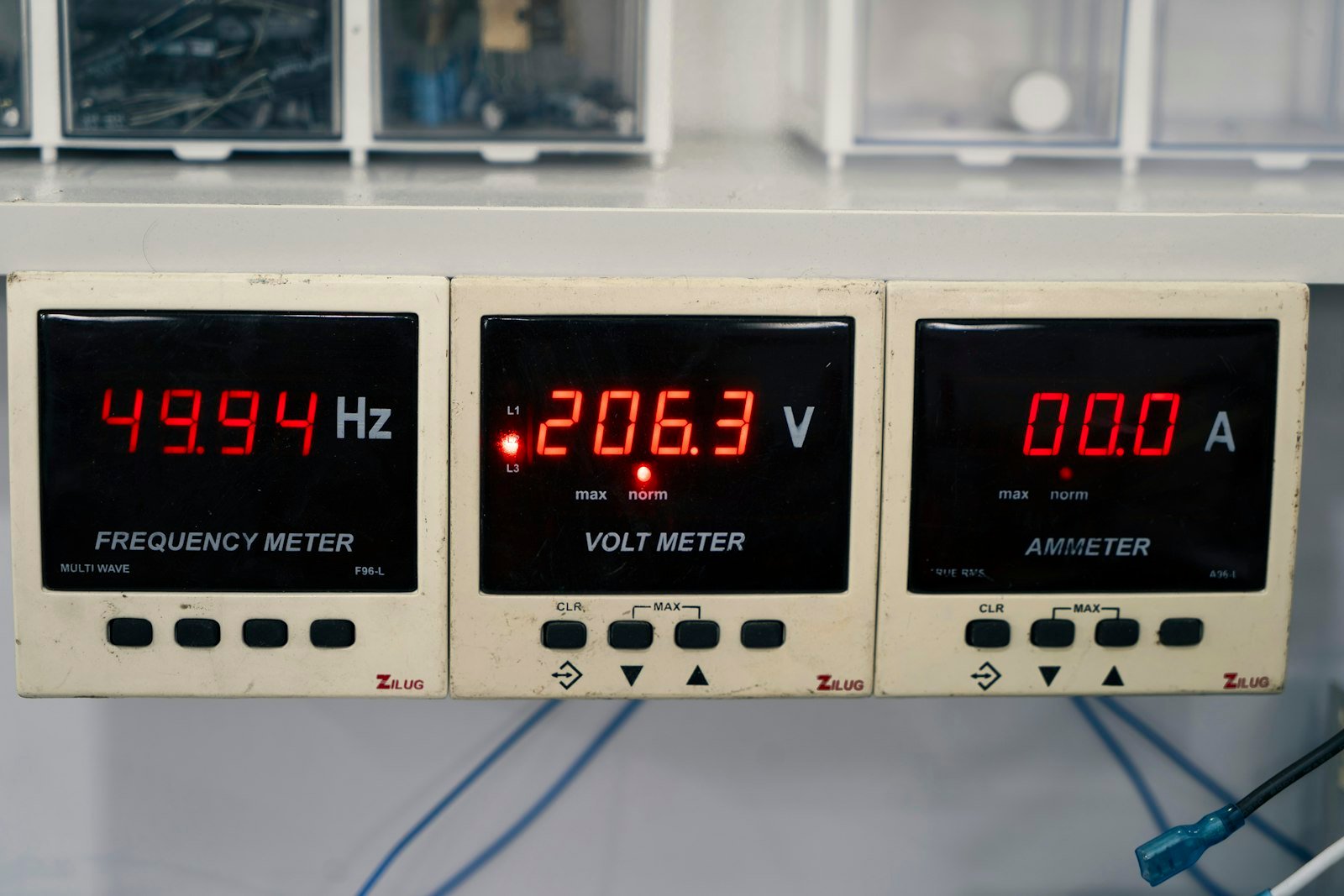
What district facilities teams are up against.
Empty buildings at full load
Heating and cooling running through evenings and breaks
Classroom air nobody records
CO2 climbing in full rooms with no log
Ventilation against cost
More outside air raises the bill unless it follows occupancy
Aging controls
Mixed controllers across campuses built decades apart
Where districts start from.
US schools estimated to need HVAC updates or replacement.
Source: GAO-20-494, 2020of K-12 energy use goes to waste.
Source: ENERGY STAR, K-12 schoolsfirst tax year school districts could take clean energy credits as direct pay.
Source: IRS, elective pay FAQFunding and expectations are both shifting.
HVAC replacement queues
Districts ranking campuses by measured condition decide which systems go first with limited capital.
CO2 readings become routine
France has required an annual ventilation check with a direct CO2 reading in schools and creches since 2023.
Standards and programs districts ask about.
Sources4 references cited on this page
Related
Common questions
Not if ventilation follows occupancy. aQ AirSafe raises outdoor air when classrooms fill and reduces it when they empty, and Aqueduct counts the energy cost of each change, so the district sees both the air quality and the bill. See healthy air.
Only where control is enabled, with owner approval. Aqueduct reads existing controllers by default. When a district enables control, schedules and setpoints run through BACnet or Modbus field devices or LoRaWAN relays, and every command is kept in an auditable history.
Yes. Aqueduct baselines each campus on weather and the district calendar, then flags heating and cooling running through evenings, weekends and breaks. Each finding is priced at your tariff and routed to maintenance, so the costliest campuses are fixed first.
Yes. Fault counts, run hours and energy intensity per campus give a measured ranking of which systems are failing, rather than a ranking by age. That evidence supports capital plans and funding applications. See capital planning with condition data.
See Aqueduct on your own facility.
Bring a site, a utility bill or a question. We will show you where the loss is.