
County water system loss control, pump stations and AWWA M36 audit data
County water system loss control means measuring how much water enters the network, how much reaches customers, and where the rest goes. Aqueduct reads SCADA, AMI and production meters alongside the systems the county runs, baselines night flow per district metered area, tracks pump station energy, and keeps the measured volumes the AWWA M36 water audit needs, while control stays with SCADA.
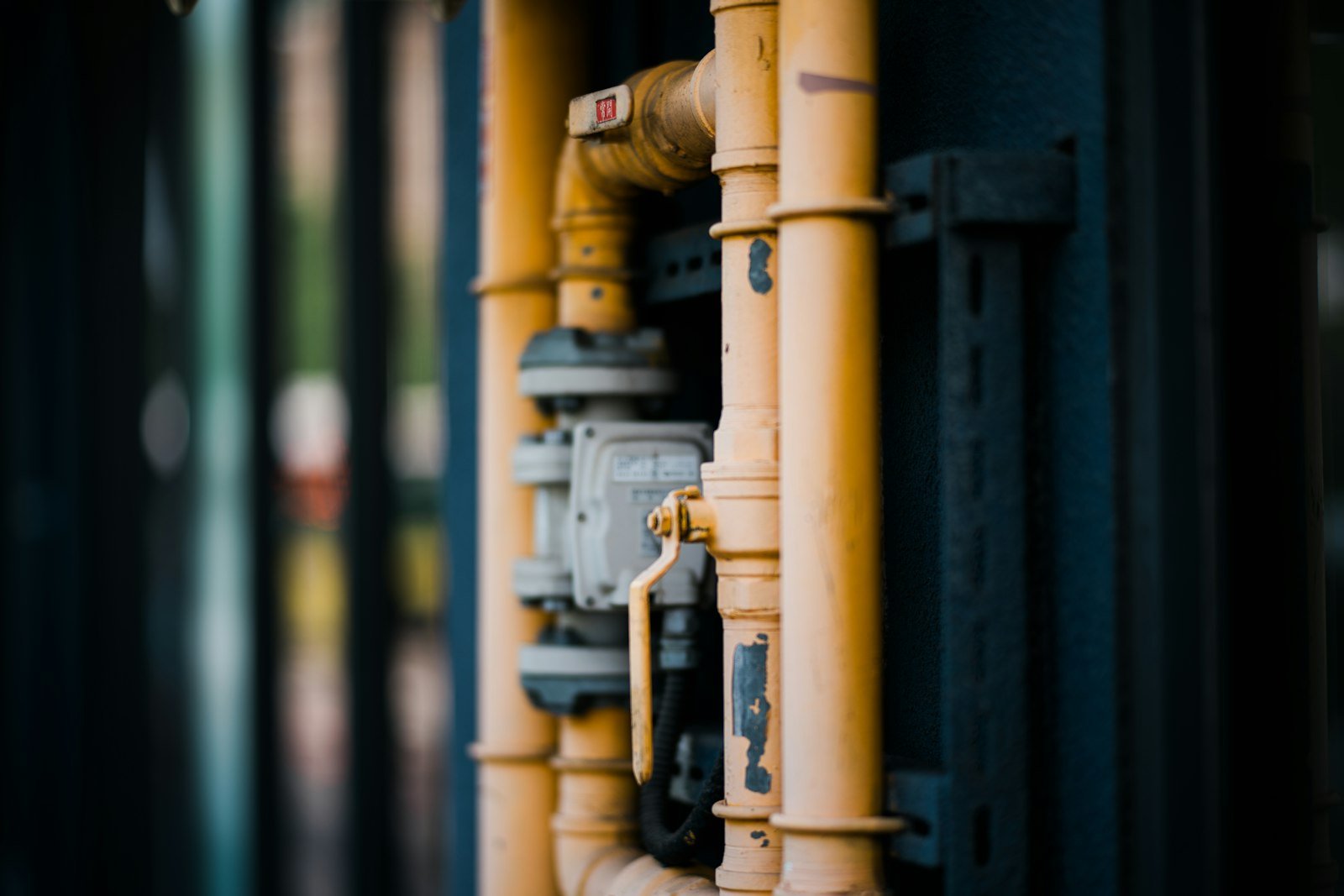
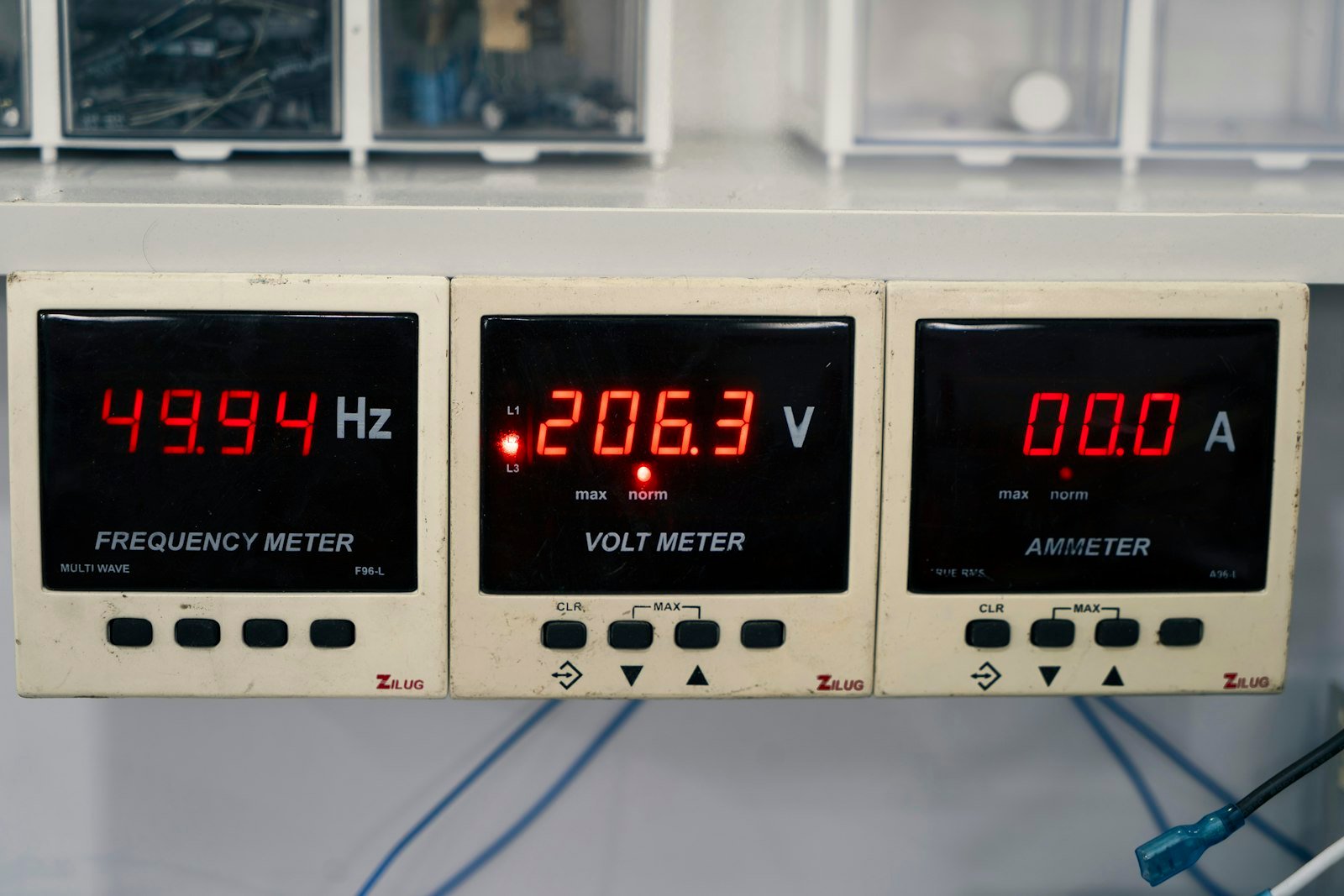
What county water and sewer systems are up against
Loss found at audit time
Real losses on mains and service lines show up in the annual audit, months after they started.
Meters that under-read
Aging customer and production meters make apparent losses hard to separate from real ones.
Pump stations unwatched
Pumps run harder as impellers wear and valves stick, and the electricity bill is the first sign.
Data in separate systems
SCADA, AMI, billing and work orders each hold part of the picture, and nobody joins them.
What the numbers say.
of a drinking water system’s operating costs can be energy.
Source: EPApublic water systems operate in the US.
Source: EPA, public water systemscompliance date for EPA’s Lead and Copper Rule Improvements.
Source: Federal Register, LCRI, 2024Sources3 references cited on this page
Related
Common questions
A district metered area, or DMA, is a section of the network with metered inlets and outlets, so its inflow can be compared with use. Minimum night flow in a DMA is a reliable indicator of real losses. Aqueduct baselines it per district.
Yes. Aqueduct reads pump station panels and meters for power, run hours and flow, tracks energy per volume pumped and flags pumps drawing more power for the same water, an early sign of wear or a stuck valve.
No. The same platform covers county buildings such as courthouses, jails and offices. A county can run its water system and its buildings on one data layer, with separate views for each team.
Yes. Aqueduct keeps production, district and customer meter volumes measured through the year and flags meters reading outside their usual range, which supports both the audit inputs and their validity grading. Your team or validator completes the audit. See water loss audit guide.
See Aqueduct on your own facility.
Bring a site, a utility bill or a question. We will show you where the loss is.