
Particulate monitoring that tells a local source from smoke coming in from outside.
Aqueduct reads PM2.5 and PM10 per zone where particulate sensors are fitted, aligned with shifts and occupancy. One zone rising points to a source inside; every zone rising together points to outdoor air coming in.
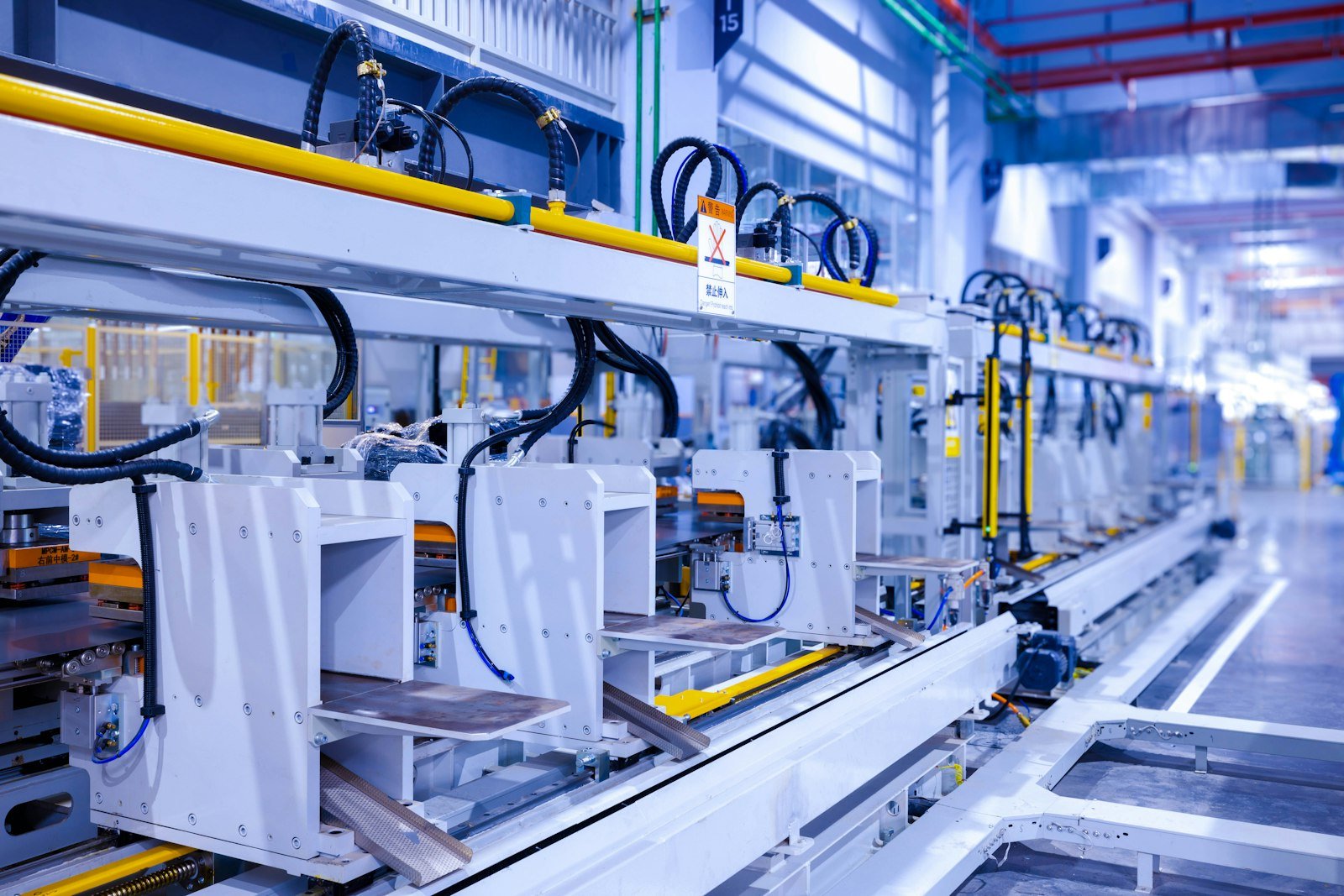
Continuous particulate readings, not one reading taken on a quiet day.
How particulates are tracked
- PM2.5 and PM10 per zone
From optical particle sensors in occupied and process areas.
- Shifts and occupancy
Readings aligned with production hours, so a working shift is judged on its own.
- Time above threshold
Each zone's time above its limit, so a long moderate excess counts.
Inside source or outside air
- One zone rising
A local source such as cutting, grinding, cooking or cleaning.
- Every zone rising together
Outdoor air entering, such as wildfire smoke, pointing to filters and outdoor air settings.
- Filters loading
A pressure sensor across a filter can raise a maintenance alert before particulates climb.
Why particulates are getting more attention.
of US PM2.5 came from wildfires in recent years, up to half in some western regions.
Source: Burke et al., PNAS 2021is the annual PM2.5 standard EPA set on 7 February 2024.
Source: US EPAAn example
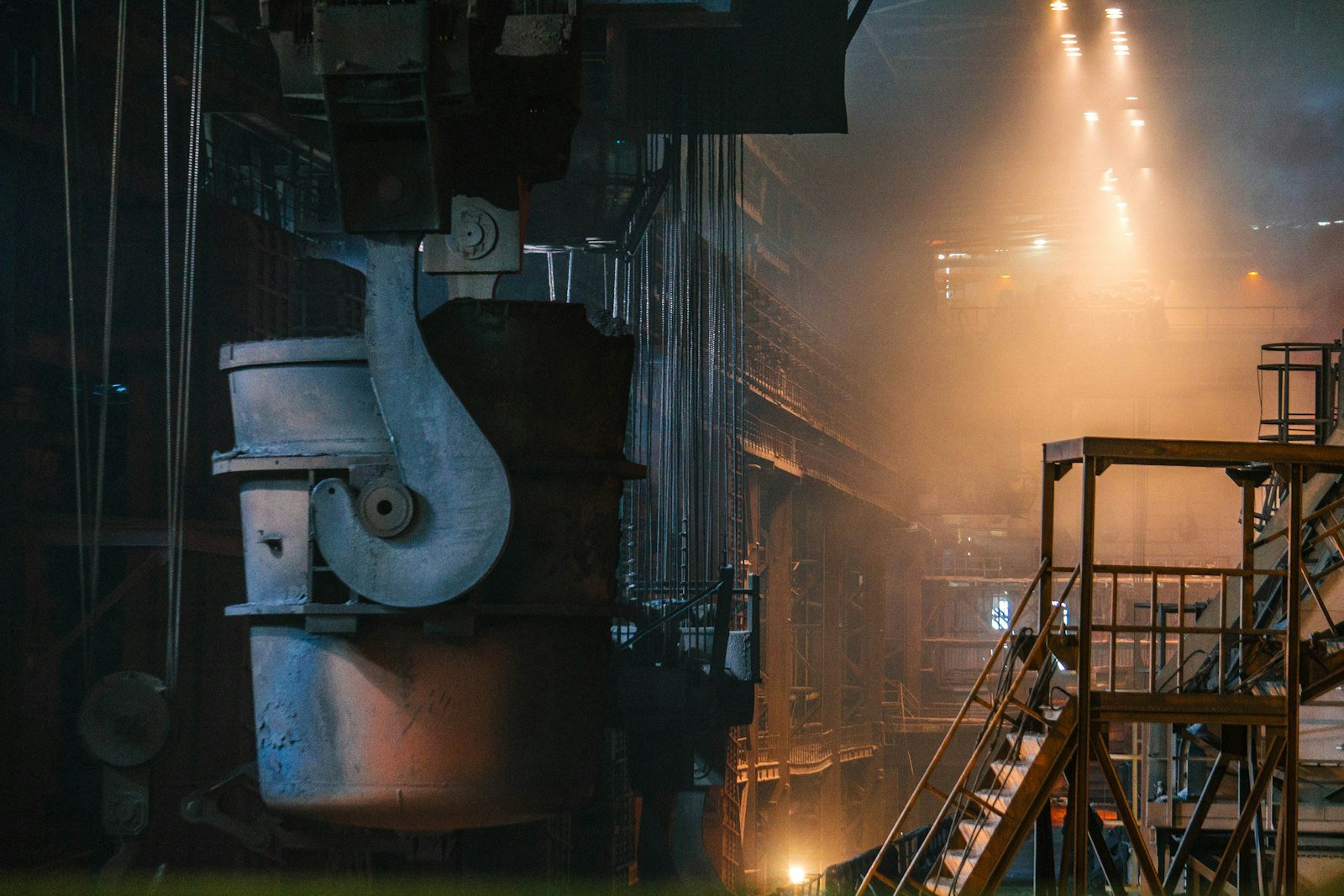
Observed in the field: an aluminium plant displayed a PM2.5 award on its wall, almost certainly measured while production was stopped. Continuous monitoring shows the real curve once the lines are running.
Limits
Optical sensors estimate mass from particle counts and can read high in fog or steam. They are for trends and alerts, not regulatory compliance testing, and they do not identify particle composition.
A building-wide rise shows that outdoor smoke is getting in; keeping it out depends on filters and outdoor air control on site.
Related
Common questions
PM2.5 is particles 2.5 microns or smaller, which reach deep into the lungs; PM10 also includes larger dust. aQ AirSafe reads both per zone where particulate sensors are fitted. See WHO and EPA air quality context.
Yes, where control is enabled, with owner approval, through fans or air handlers. When outdoor smoke is the source, the right action may be less outdoor air, which aQ AirSafe can tell from all zones rising together. See AI optimization.
No. aQ AirSafe uses optical sensors suited to operations, trends and finding sources. Regulatory and occupational exposure testing uses reference methods and accredited sampling, which aQ AirSafe data can help schedule. See OSHA permissible exposure limits.
aQ AirSafe particulate sensors go in occupied zones and process areas with likely sources. Typical spots are cutting, grinding, kitchens and loading docks, plus one zone near the outdoor air intake so inside and outside sources can be compared. See manufacturing.
See Aqueduct on your own facility.
Bring a site, a utility bill or a question. We will show you where the loss is.