
Reduce equipment downtime by catching failures before they stop the plant
Most facilities still run maintenance on breakdowns and calendars. Aqueduct watches energy, vibration, sound and runtime on critical equipment, compares each asset with its own normal behavior, and raises a maintenance alert with the evidence while there is still time to plan the repair.
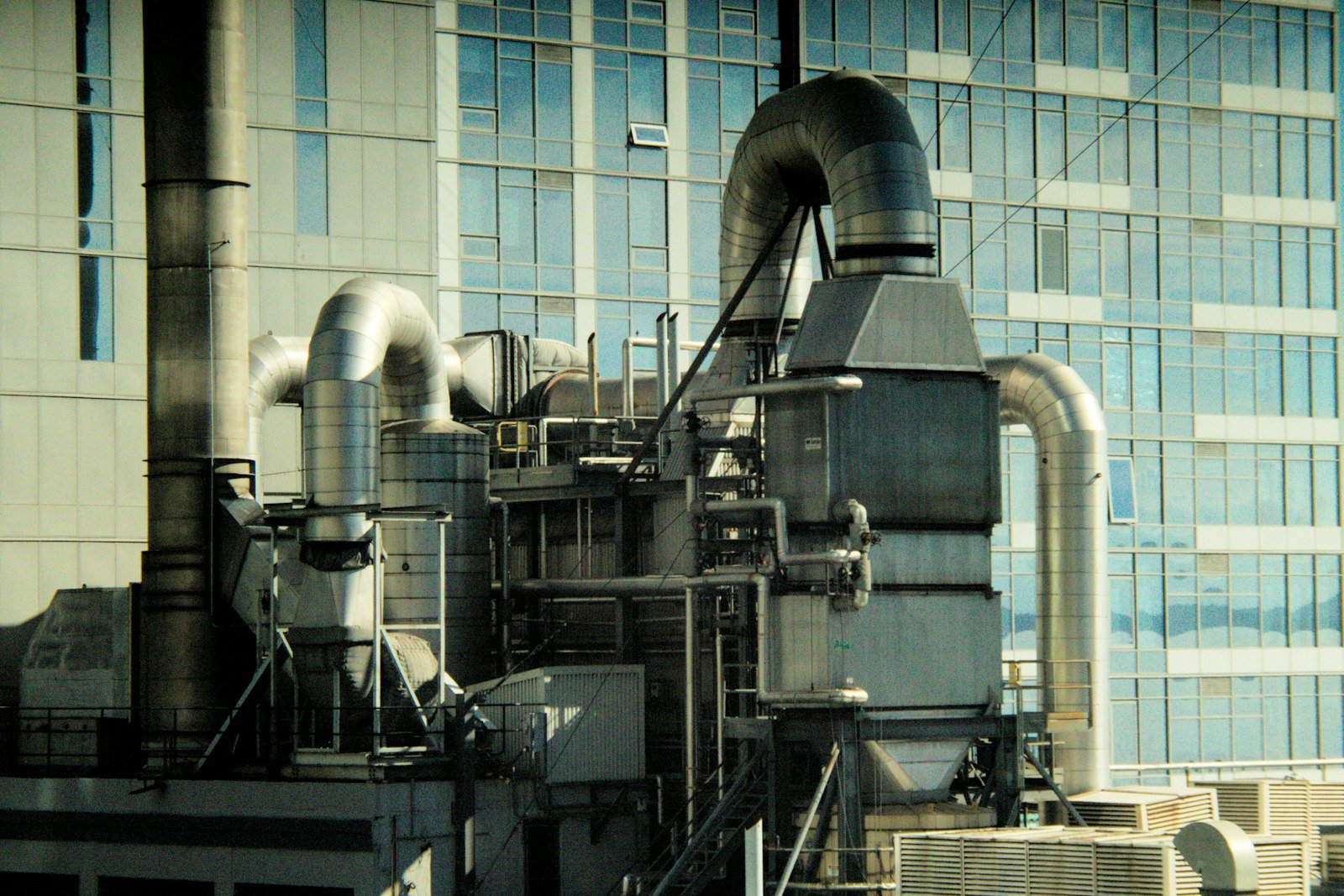
A failure usually announces itself weeks before it stops anything.
Why equipment fails without warning
- Reactive by default
Work starts when something stops, so every repair is urgent and expensive.
- Calendar maintenance
Fixed intervals service healthy equipment and miss failing equipment between visits.
- Signals in separate places
Energy, vibration and alarm data sit in different systems, so the pattern is never seen together.
What better maintenance is worth
fewer breakdowns reported by working predictive maintenance programs.
Source: US DOE FEMP O&M Best Practices Guidesavings of predictive over preventive maintenance, and 30 to 40% where sites rely on reactive work.
Source: US DOE FEMP O&M Best Practices GuideHVACR mechanic openings a year projected in the US to 2035, a tight labor pool.
Source: US Bureau of Labor StatisticsFrom early sign to planned repair
Pick the critical assets
Pumps, compressors, chillers, air handlers and fans whose failure stops operations.
Learn normal
Each asset's energy, vibration, sound and runtime are baselined against its own history.
Alert on drift
Triggers on any metric, including one from a linked sensor such as filter pressure, raise a maintenance alert.
Confirm the fix
After the repair, the asset's signals return to baseline and the alert closes on evidence.
Uptime metrics by asset class
| Metric | What it tells you | Act when |
|---|---|---|
| Reactive share of work orders | How much work is unplanned | It stays high quarter on quarter. |
| Alerts raised before failure | Whether warnings come early enough | Failures arrive without a prior alert. |
| Energy drift per asset | Wear and fouling | Use climbs at the same load. |
| Sensor and device health | Whether the signal can be trusted | Connection or battery degrades. |
sites in 21 countries run on Aqueduct.
and 9 clinics in one of India’s top hospital chains.
US airport running water intelligence on Aqueduct.
of commercial real estate under Aqueduct.
FMCG manufacturing campus.
operations run on Aqueduct.





Related
Common questions
Electricity meters on the asset, plus vibration and acoustic sensors where the failure mode needs them. Existing BMS points are read over BACnet or Modbus, so not every machine needs new hardware. See predictive maintenance.
Alerts carry the asset, the signal and the evidence, so the work order can be raised in the CMMS you already use without retyping. Technicians see why the machine was flagged before they reach it. See integrations.
No. The same approach covers hospital plant rooms, airport baggage systems, data center cooling and commercial HVAC, wherever a stopped machine stops service. A baggage conveyor and a chiller each get their own definition of normal. See HVAC R.
The US DOE FEMP guide finds a working predictive program beats calendar maintenance, with the largest gains at sites that mostly run to failure. Aqueduct supplies the vibration, sound and energy signals such a program runs on. See aQ PredictIQ.
See Aqueduct on your own facility.
Bring a site, a utility bill or a question. We will show you where the loss is.