Best indoor air quality monitoring for offices and schools
 Milvian AI teamFacilities and infrastructure intelligence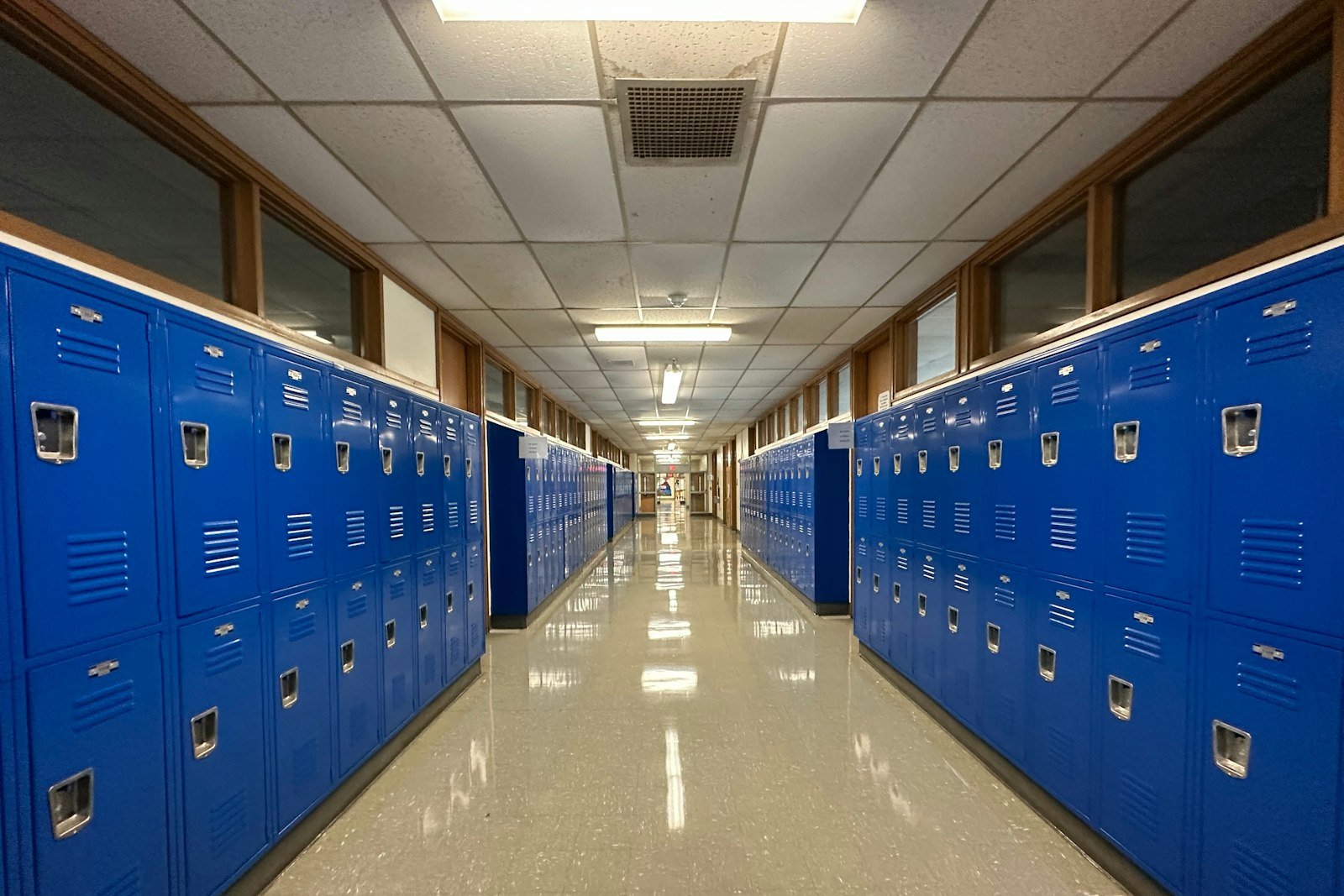
Pick a system that measures CO2, particulates and VOCs with occupancy overlaid, counts exposure over time and can adjust ventilation. A dashboard of instant readings is not enough.
Why air quality needs continuous data
Americans spend about 90 percent of their time indoors, where EPA notes some pollutants run two to five times higher than outdoors. In offices and classrooms the main variable is ventilation: CO2 rises with people, and particulates and VOCs come from outdoors, cleaning and furnishings.
The effects are measurable. The Harvard COGfx study found cognitive scores were 61 percent higher in green building conditions, and a 400 ppm rise in CO2 was linked to a 21 percent drop. Milton and colleagues linked lower ventilation to a relative risk of 1.53 for short-term sick leave.
What the system must do
| Requirement | Why it matters here | Ask the vendor |
|---|---|---|
| Overlay occupancy. | High CO2 in an empty room matters less than in a full one. | Can you show readings against occupancy? |
| Count exposure over time. | Duration matters as much as peak. | Do you report exposure in hours above threshold? |
| Explain the cause. | A reading alone does not tell a team what to do. | Does an alert say why and suggest an action? |
| Adjust ventilation. | Monitoring without action changes nothing. | Can readings drive ventilation targets? |
Rules and direction
Monitoring is becoming a requirement. England's Approved Document F asks new non-domestic buildings to provide a means of monitoring air quality, such as CO2 monitors. France requires an annual ventilation assessment with a CO2 measurement in schools and creches from 2023, and California's CalSHAPE program requires funded classrooms to alert above 1,100 ppm.
Energy and air can move together. PNNL modeling of a large office found ventilation matched to occupancy cut HVAC energy by nearly 40 percent.
How to evaluate one
- Sample the worst roomsMeeting rooms and classrooms fill fastest.
- Run a full term or quarterSeasons change ventilation behavior.
- Check the explanationsSee whether alerts lead to clear actions.
- Link to ventilationTest one zone with ventilation following CO2.
Where Aqueduct fits
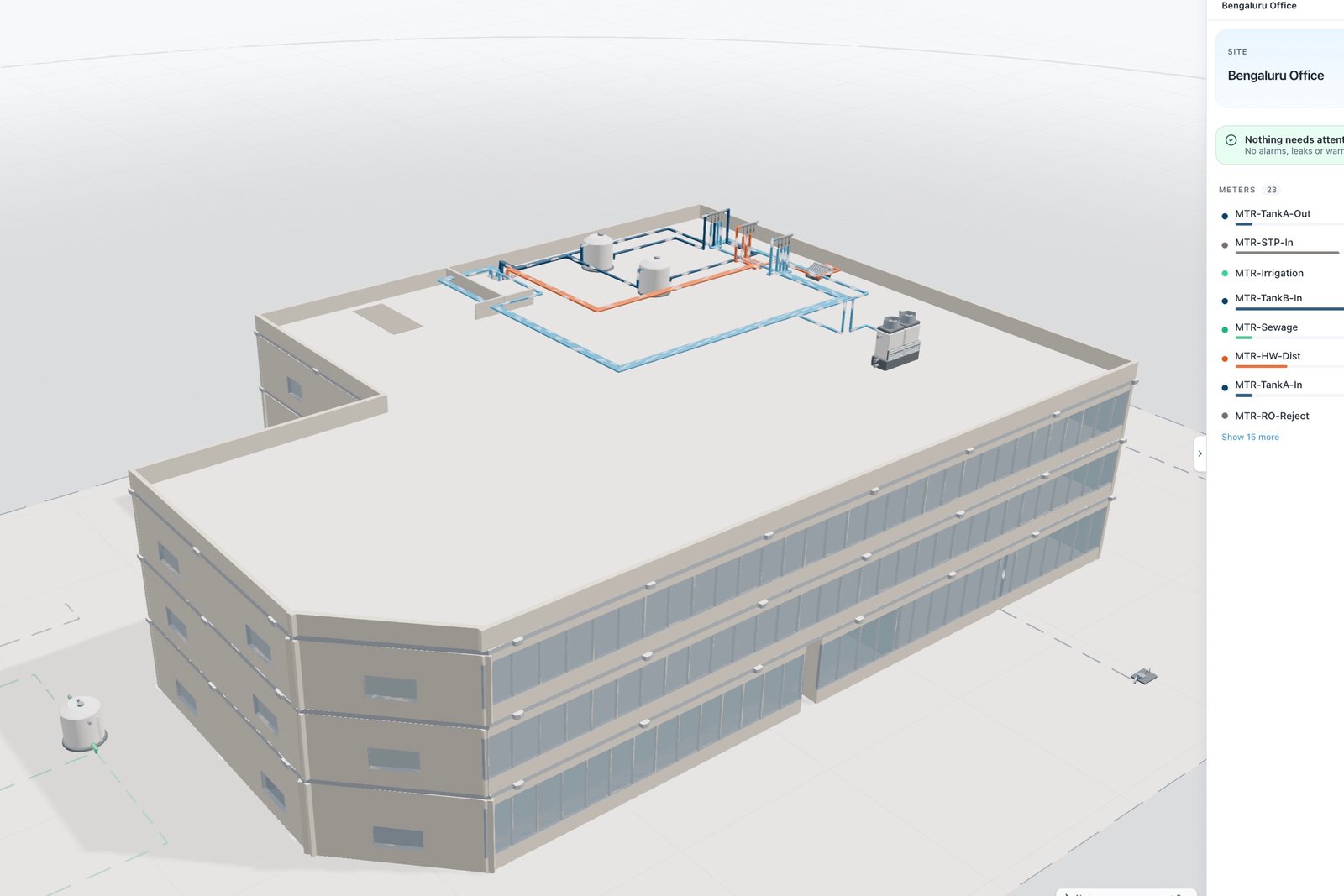
aQ AirSafe measures CO2, VOC index, particulates, temperature, humidity and sound by zone, overlays occupancy and tracks exposure in zone-hours. Its recommendations name the standard behind each rating and the likely fix, such as raising outdoor air while outdoor conditions are mild. Smart Controls can run demand-controlled ventilation where control is enabled, with owner approval.
Sources
| Source | Link |
|---|---|
| US EPA, Indoor Air Quality | epa.gov |
| Allen et al., Environmental Health Perspectives, 2016 | pmc.ncbi.nlm.nih.gov |
| Milton et al., Indoor Air, 2000 | stacks.cdc.gov |
| UK Government, Approved Document F, 2022 | assets.publishing.service.gov.uk |
| France, Decree 2022-1689 (INERIS AIDA) | aida.ineris.fr |
| California Energy Commission, CalSHAPE guidelines | efiling.energy.ca.gov |
| PNNL via ScienceDaily, 2013 | sciencedaily.com |